Michelle Steiner explores how embracing lived experience, self-advocacy, and adaptive creativity not only challenges misconceptions about disability but also redefines success and belonging through authentic voice and everyday empowerment.
In this episode of The Inclusion Bites Podcast, Joanne Lockwood is joined by Michelle Steiner to explore the realities and misconceptions surrounding learning disabilities, and the nuances of building belonging through self-expression. Michelle shares the impact of encountering limiting beliefs from an early age and how societal attitudes shaped her educational journey. The conversation delves into the lived experience of dyscalculia, visual perception issues, and dexterity differences, offering practical insights into the daily adjustments and technological aids that make both professional and personal life more accessible. Joanne and Michelle unpack how evolving attitudes towards neurodiversity, especially compared to thirty years ago, are gradually transforming environments for greater inclusion.
“And I find that really funny after I've gotten things published and I have a blog that this is what experts have told me that I could not do.”
Explore
Navigate this episode
Joanne Lockwoodhost
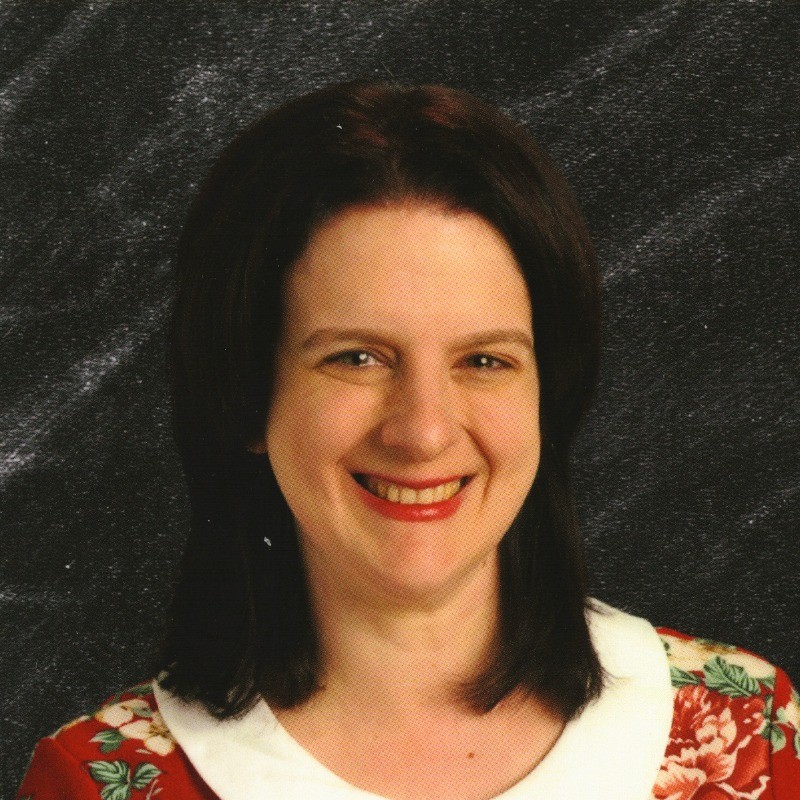
Welcome to Inclusion Bites, your sanctuaryfor bold conversations that spark change. I'm Joanne Lockwood,your guide on this journey of exploration into the heart ofinclusion, belonging, and societal transformation.Ever wondered what it truly takes to create a world where everyonenot only belongs but thrives. You're not alone.Join me as we uncover the unseen, challengethe status quo, and share storeys that resonatedeep within. Ready to dive in? Whether you'resipping your morning coffee or winding down after a long day, let'sconnect, reflect, and inspire action together.Don't forget, You can be part of the conversation too. Reach outto [email protected]to share your insights or to join me on the show.So adjust your earbuds and settle in. It's time toignite the spark of inclusion with Inclusion Bites.And today is episode 216. Withthe title Writing Belonging into Being.And I have the absolute honour and privilege to welcome Michelle LeeSteiner. Michelle is a writer, speaker,photographer, and paraeducator who uses her livedexperience of a learning disability to encourage, empower,and educate people with and without disabilities.When I asked Michelle to describe her superpower, she said that it is herwriting and photography. Writing gives her a voiceand photography helps her capture the details that other people oftenmiss. Hello, Michelle. Welcome to the show.
Michelle Lee Steinerguest
Hey, Jo, it's great to be here today. I'm excited to have thisconversation. Yes. And we were chit-chatting away just now.
Joanne Lockwoodhost
You are in the US somewhere, is that right? Yes, I
Michelle Lee Steinerguest
live in Pennsylvania. Yep.Wow. There's a big famous— was it Glen Miller, Pennsylvania 65,000?Right now it is, it's actually a little warmer than it's been.It was snowing before, but yeah, it is like7:30. Yeah, it's early and it's alittle bit warmer than it has been in the past couple days. So my
Joanne Lockwoodhost
geography's not very good. So you are north of New York on the East Coast,is that right? Yes, we are. We're about
Michelle Lee Steinerguest
7 to 8 hours away from New York. So I believe,yeah. Is that in the car or is that in the plane? That would bein the car. In a car. In a car. We've gone there many times,but yeah, to New York City on trips and everything. So, yep.
Joanne Lockwoodhost
It's fascinating. One hidden benefit for me recording this podcast is I'm learning awhole lot more about the US geography and where things are becauseI have guests from all over the states and all over the world. Right. Yeah.
Michelle Lee Steinerguest
That's awesome. Yeah. So I know I've, I
Joanne Lockwoodhost
think I've had another guest from Pennsylvania recently and certainly New York State andTexas and Florida and California. Soyeah, if you listen to this and you're from a part of the States, thenyeah, I'd love to hear from you as well. Anyway, Michelle,reading through the notes and, you know, I, I, I intimated it as part ofthe introduction there. You're quite open about the fact you have a learning disability.And my understanding is that from a very early age, people hadlimiting expectations of you and almost sort of said, well,Michelle won't achieve. So tell us a bit about that. Well, I've
Michelle Lee Steinerguest
had a lot of people all throughout my life not thinking that I was goingto accomplish a lot. I can remember even being like when I wasvery young in kindergarten, I was diagnosed with having a learning disabilityand I can just remember a lot of times, well, that was one of theirfirst fears that I was going to develop learned helplessness. Even my early teachers arelike, well, we I've got to really encourage Michelle to do things because she needsto not develop that. She needs to know what she can do. And I canrealise that was not only going to be something because of my ownthoughts about myself, but also what other people were going to start to thinktoo. That also really became a big theme wheneverI was in high school for what I was going to do after high school,because I knew that I wanted to go to college. I was still scared, stilldoubting myself, even though I was doing well in my schooling.But I had a learning support teacher who told me, "I don't think you cango to college because of your difficulties with math," and shesuggested a trade school, even though nothing interested me. I
Michelle Lee Steinerguest
thought, "Okay, I'm going to go forward," and I had to get tested for alearning disability again to get accommodations at college. Andit was during that time that the psychiatrist who evaluatedme— never been a— I've never been a great test taker, and he said,'Based on these scores, you're most likely not going to go beyond community college.'I get to community college and I faced even more stigma with peoplelimiting beliefs. I can remember when I asked fora calculator in a math class, I said, 'Oh no, we use our brains inthis class.' And my advisor said, 'I thinkyou're going to have limited job choices whenever you graduate.'She said, 'Well, with your difficulties with math, you're not going toknow how much paper to use if your students do anart project. And she wasn't entirely wrong about thedifficulties I was going to have, but I've had to learnit's about how I plan out for them. Sosometimes I might make a mistake. Sometimes I might have to double-check something or havesome, or ask somebody, hey, did I get this correct or not? Butthat was difficult because I thought, well, I would like to have a job someday.And that was something that really scared me.. And I can't evenremember after I got my bachelor's degree, I had apsychiatrist, um, I had to go in because I'm, I'm not able to drive andI needed, we had a transportation system specifically for peoplewith disabilities, but you had to have documentation why you couldn't drive. AndI needed an updated form and they asked me on there, well, what are somethings that you would like to do? And I just decided, okay, I'm going totalk about what my dream job would be. Maybe a caseworker, maybe, uh, doingthings with writing and, and writing for news andpreparing news briefs. Once again, I've had that limitationpeople put on me that based upon mytesting scores, that it would be on— all this will be beyond mycapabilities. And we're just going to not even put that as a recommendation for ajob. And I find that really funny after I've gotten things published and I havea blog that this is what experts have told methat I could not do. I also had people whotold me, well, I don't know if you're going to meet somebody with having adisability. And that was also a really hard one too, because I always thought,well, maybe I would like to get married, maybe I would like to meet somebody.And I have had people that have rejected me for having one. Ican remember my ex breaking up with me saying, I think you could drive ifyou wanted to, and I'm tired of taking you places. And I just finallygot to that point where I thought, I'm really probably not going to meetanybody. And I I did actually, I have met my husbandand we've been married for 10 years and we'll celebrate11 years this June. Wow. That's
Joanne Lockwoodhost
fascinating. You mentioned the difficulty with mathematics and the fact that you don't driveand other things. Could you just tell me whatyour specific developmental differences are?
Michelle Lee Steinerguest
Sure. I have dyscalculia, which is a math disability. Ihave difficulty with how numbers work. And it might be, mightbe different than what a lot of people might think with that. A lot oftimes people think dyscalculia, you must see numbers backwards,and that's not the truth. I have difficulty with how they work. Somevisual things with not being able to read the face of an analogue clock. Ican see the numbers, I can see the lines, but it just does not makesense to me. I also have trouble with budgeting,counting back, just, just with different things withcounting. I also have difficulty with reading a ruler and I confusemy my right from my left. I also have visual perception issues, but that'sin my brain, not in my eyes. So that makes likemy reaction time and driving affected with that.My hand coordination isn't great. In fact, I blink every time a ballcomes in my field of vision or something like that does. So gym class wasa nightmare for me growing up. And I also have limitedhand dexterity, and that was not diagnosed until I was an
Michelle Lee Steinerguest
adult. And what that is, is all the light bulbs went off after thatpoint, because before when things would fall out of my hands, people thought,well, you're clumsy. And that's not true. And thehandwriting, people would kind of shame me because I had bad handwritinggrowing up, that I was like lazy or sloppy or careless.I even had someone say I looked like a serial killer. And it turns outthat that's part of it. And it also was why I couldn'topen up, use a cans and jars. I have ajar opener and I also have a can opener that's electric, nota manual one. I'm going to look at a manual one. It's like trying tooperate a spaceship. And that's why I couldn't unlockmy front door to our home. And that, that also inspired my first articlegetting published because of that. Wow. Fascinating. Are you left-handed by
Joanne Lockwoodhost
chance? Nope. Right-handed. You're right-handed. Okay. Cause I'm left-handed andI can't tell my left, my right either. And I, Yeah, I have doublethinking. Someone says turn left, I go, left, is that left or is that? Soit takes me 3seconds every single time. Yeah, it's not uncommon, not knowing left andright. I'm pretty bad at any binary choices like thatwhere it's sort of, okay, up and down's okay. Up and down for somereason, up and down, but left and right isn't. But there are other things whereI go, is it this or is it that? Is it that? Yeah,
Michelle Lee Steinerguest
exactly. So that's not just a you thing. That's a common thing. That is, you
Joanne Lockwoodhost
know, not very— Right. Right. Okay. Yeah, exactly. I
Michelle Lee Steinerguest
mean, yeah, a lot of these things are common for other people too. Imean, it's 1 in 5 people are diagnosed with having a learning disabilityor some kind of neurodivergence. It's common. But alot of people don't think it's common. A lot of people think, well, that's nota lot of people, or it can't be that way,especially with having an inclusive practise like design and everything.A lot of times people might shame other people to thinking,well, people are just lazy now. So that's why we have an analogue clock, orthat's why we have people don't want to writein cursive. I mean, that's another really hot topic that, especially inour state, that has come up with having a law with the students have tobe taught that. But I think they should be exposedto the information, taught it. But if they're not getting it, let's move on tosomething else. That's just my own opinion though. Exactly. Otherwise, all they're doing
Joanne Lockwoodhost
is shaming you by saying you can't. Let's sit down and say,well, what can you do then? And how can we make that work? Yeah,
Michelle Lee Steinerguest
exactly. Yeah. Teach it, move on if it doesn't work.
Joanne Lockwoodhost
And yeah, exactly. If you need to learn about budgeting, if you needto learn about basic, you know, putting fuelin a gas in your gas tank to know how much to put in there,you need, you need a different way of working things out. Don't you? Yeah,
Michelle Lee Steinerguest
exactly. I agree 100%. Does technology help? I mean, we're living in a world
Joanne Lockwoodhost
now. Which is vastly different from that you grew up. So you've got a phonein your pocket, you've got all your handbags, right? You've got AI, you've gotvoice recognition, you've got your Alexa, you've got your Google stuff, right?Does that make it easier? Does that make it easier? Absolutely. It has
Michelle Lee Steinerguest
really improved my life with technology. I can remember evenin the beginnings when I learned how to type, it took me an extra— ittook me a full year of typing, not just one semester,but That was the start of beginning to be able to— people could read whatI wanted to say and that helped. And now we even have dictation softwareand I sometimes use that because sometimes my hands will— it's harder to typeor I'll make more mistakes. So sometimes I might just use dictation software. And Ithink when we get another computer, I'm like, okay, we're going to get a Chromebookor we're going to get something that we can definitely do that. So I can—I just don't have to do that on my tablet, which I still love. Butthat, you know, that, that's helpful. It's helpful to have battery-operated jarof potatoes. Openers and having a can opener that'selectric that I don't have to have a manual if my hands can't do it.Having raised keys, that can be helpful too, to give me a little bitmore stability when I open up a door or with thekey. Just all kinds of— just having all those accommodations, havinga digital watch, having a Fitbit. Not only can I tell how many steps thatI've gotten, but I can tell you what time it is. I don't have togo and try to look at a clock. And that way I don't have toask people, oh, what time is it? And they can say, oh, there's a clockover there. I'm like, well, yeah, I can see there's a clock over there, butobviously if I can't tell what time it is. So I think that'shelpful. But there's so much even more. And that's some of the beauty that alot of people may not realise that in our, in the States,we have the Americans with Disabilities Act. And there's a part ofthat. Well, actually what the whole act is to make things accessible for people inthe community that have disabilities. So when they go into a publicplace, you can have seating or you can have an elevatorinstead of using stairs. I mean, it's not a perfect one by any meansand it's one of those things, but the beauty is this helps benefiteverybody, everyone, not just folks who have disabilities. So you might have adoor that's automatic and that might be great, especially it's greatif you're in a wheelchair, but it's also nice if a mom comes in andhas a stroller and she can just press the button and the door opens.Or it can be helpful if you're somebody just had, you're walking out of thestore and you have a lot of bags in your hands. That's helpful. Elevators aregreat. I mean, a lot of times people will wonder, well, why am I usingthat? Because I can't use an escalator because I don't know when I get onor off. And that was an issue during COVID They didn't want to have— therewas, there was a sign, and I wrote about this, that was just for people—that the elevator was just for people that had strollers ordisabilities. And I'm thinking, well, I have a disability. People can't see itthough. So, but everybody can use a lot of these services. And I think thatthat's the thing with technology. This is not just something that benefitsperson that is disabled, it also benefits somebody,anybody. Yeah. Are there things in
Joanne Lockwoodhost
life that frustrate you? And what do I mean by that? We all livein our own mind. We live with our own capabilities. Do youoften think, I wish I could do that, or do you just accept that yourlife is as is? There are things you just don't do and things you dodo. I think I've gotten to a point where I have accepted
Michelle Lee Steinerguest
that there's things I can't do and I find ways around it to be ableto deal with that, to be able I'm able to live. And that really doeswork for me. A lot of that with the technology, like, okay, I can't readthe Facebook clock. That's fine. I'll have a digital watch on.I know that I cannot do math and I'm okay with that. And allthe kids know, or will find out, that I can help you with anything atwork, anything at school, except for math. And I'm okay with that.
Michelle Lee Steinerguest
And sometimes I get some reactions like, "Oh, what do you mean you can't domath? You're a teacher." And I think that brings that humility that there's just somethings that people can't do. I've alsofound that I'm all right with it, but when I runinto other people that aren't okay with that, that's where Ithink more of the disability happens. People are saying, well, what do you mean youcan't tell your left from your right? Or why can't you domath? Or why can't you— can't somebody just teachyou? Or why can't you drive? And they,they shame that, or they, they really It goes beyond just beingcurious and it gets to that point where it's almost like bullying orjust thinking, or nice people who think, well, we can fix you. You just needto learn. We can, we can show you that way. And that leads todisappointment for that person. And it also leads to disappointment for me becausesomebody can't accept you for who I am. And I alsofound though that when I engage in activities that Ilove, I don't feel like I have a disability. I feel empowered. So
Michelle Lee Steinerguest
when I'm out and I'm taking pictures and I don't have a ride to getsomewhere, which is, which happens, and that's okay too. I've mademy life where I live in a central location. I'm very blessed to have ahusband that can take me to work and a great coworker that could take mehome. And I'm able to walk places, but I getthat chance to literally stop and smell the roses when I don't havea ride. And I get to take pictures of flowersand notice details that other people would miss. So I can get in there andtake a picture of a flower and people say, wow, you bring out those detailsthat I would miss. And I realise in my lifethat if it's one of those things that, that there's so much beauty that Iwould miss if I was driving in a car, I wouldn't get to take thatpicture of that flower. And I started to realise in my own life, there's somuch beauty that I would miss with having a disability.If I did not get that chance to experience so manythings that it has taught me. And also with writing and with reading,I don't feel like I have a disability when I read or I write. Ifeel empowered and it gives me that voice. So even though you've
Joanne Lockwoodhost
got dyscalculia, you still understand what numbersare, right? You still understand. So if I put 2 apples on thetable, you, you'd know there were 2 apples, would they? Yes, I can. I have
Michelle Lee Steinerguest
a very, I have a basic understanding of math, but beyond abasic elementary school level, I am not.Yeah, that, that's where it pretty much ends at a very basic level. So
Joanne Lockwoodhost
if you went out and took 5 photographs and someone said, how many photographs didyou take? You'd say I took 5, or would you just say, I don't knowhow many I just took? Well, generally I take a lot
Michelle Lee Steinerguest
of stuff, so I can't tell you how many I took or how manymade the, made the cut for if I'm going to post something,but, um, Yeah, that might be something I would have to count unless I onlytook like a few that day, but mostly I take a lot more thanthat. Yeah. I'd have to think about it for a second. Yeah. You're
Joanne Lockwoodhost
not limited in your understanding of numbers and numeracy. You're just, asyou say, beyond basic school and beyond basiccounting. Yeah, exactly. You mustbe quite relieved that photography's moved on because, you know, I look back When Igot into photography in the, when I was 7 or 8 years old, it wasall manual dials and you had to set the shutter speed and the f-stops andthings like that. Now you just go click, don't you? Exactly. And I did not
Michelle Lee Steinerguest
get into it at that point because of that complicated process. I, well, partof it, I mean, I was also a lot younger too, but now it's, it'sas simple as taking, I mean, I do have a nice camera, which we usesometimes, but once again, we're getting the numbers. So when I put the memory cardin, it all thinks in numbers and I'm like, this is confusing. And. Ilike having the digital, like with the phone. And I also likeusing my tablet with that because I'm able to take a picture and it fitsright in my bag and I can just take one realsimple and it's convenient. You just go in, you see something and you just takeout your phone or that, and you, you're able to capture that image in there.So I love being able to do that. So it has changed too. And that'salso making that accessible to other people, maybe even people who think I'm nota photographer. Well, just take the picture. You never know. You've got
Joanne Lockwoodhost
a fairly impressive website. Did you design that yourself or co-authorit? I have a template, but that was, that's me who does
Michelle Lee Steinerguest
the designing and puts the pictures and the coloursand writes it and maintains that. But thank you. Yeah, it's fabulous.
Joanne Lockwoodhost
You've got some lovely photographs there. I think there's a beautiful one of ayellow butterfly and a purple flower, isn't there? There's areally striking way you capture that difference in colours and the Some ofthe landscapes you got as well, the sunsets are quite impactfuland striking, aren't they? Thank you so
Michelle Lee Steinerguest
much. So do you, do you go out specifically to take photographs or
Joanne Lockwoodhost
do you, uh, you just happen, happen to take a good shot when you're out?
Michelle Lee Steinerguest
It depends on the day or the, or the year. Sometimes my husband and Iwill travel to a botanical garden and I'll definitely take a lot of picturesof flowers. Right now we're having a lot of orchid shows and I love beingable to do that. So sometimes we'll go to museums and it's that, that's alittle more specific. I'll be a little more like, okay, I definitelyhave a lot out there, but sometimes I might just be out on awalk and I'll be going to the gym or I'll be going to grab acup of coffee or running a few errands. And I might see arose that in one of the neighbourhoods that I know is blooming, or just sometimesit's a surprise or in the summertime, we'll see a lot of butterflies and Imight just capture, I'll see that butterfly and I get that chance to capture it.And sometimes it comes in unexpected places. I can remember. In the earlydays, I would have— I had a moth that was on our main street onthe sidewalk, and I got to capture that picture of that moth.Or last summer, I was on my way to the gym and there was abeautiful moth laying on our sidewalk, so I got a chance to take a pictureof that. Sometimes it might be a flower that'sjust growing, or somebody has some really neat decorations in theiryard for, for some holidays. We don't get as much towards winter.We have pretty cold winters, but I'm looking forward to spring.I definitely love all the flowers that start to bloom and we just get tosee how things change. And sometimes we'll get some winter shots too,but sometimes it's planned, but other times there's just an unexpectedsurprise. And I always love capturing those. In addition to you talking
Joanne Lockwoodhost
about technology just now, do you think the world is becoming more aware? Igo back to when I was at school a long time ago, and probably evenwhen you were growing up, as a young person, there was verylittle understanding around neurodiversity,dyslexia, dyscalculia, ASD, ADHD, all these various terms thatpeople go— everyone knows about today. If you go on TikTok,everyone, everyone's fully aware. Go back 20, 30 years, peoplejust weren't aware, were they? No one's fault, they justweren't. Right. People were not aware of a lot of things with that. Even when
Michelle Lee Steinerguest
I was diagnosed with a learning disability, it was a blanket term. Nobodysaid dyscalculia. No, I mean, even todayit's specific learning disability, but if you have it in math, thatis dyscalculia. People didn't know about that. We certainly didn't knowabout autism as much as we do now. I can look back on my classesgrowing up and I had students in learning support that didn'thave learning disabilities. They had autism. I mean, just with some of the behavioursand nobody knew what really to do with that. Peopledefinitely were not as accepting of other people that had that. It wasnot considered to be acceptable to have that. People wouldtell me, oh, maybe you don't want to talk about having that. And there's thatshame and that stigma. And I can remember going to my writing group and tellingpeople I had a learning disability as a teenager. And I'm very lucky to havethat group. 30, uh, 20-some years later, we still meet once a month to talk
Michelle Lee Steinerguest
about our writing. And they told me when at the beginning, well, you should writeabout having a learning disability. And I was like, oh no. I don't want totalk about that. And I wrote some really bad poetry, and people didn't knowa lot about things like that, and it just was not acceptable to talk about.Now it's a lot better. And furthermore, people, as they didn'tknow about that, there wasn't a lot of groups. I can remember every singlething about learning disabilities I read about was based upon being a whitemale, and they all had readingdisabilities. Now with the groups on Facebook orother virtual groups that are online, I got to meetpeople that, that are female that have dyscalculia or male too. I mean, we,we meet a lot of people. It doesn't discriminate against anything withthat. And there's people that have difficulties with math. There's people thathave difficulties with, they don't drive and there's peoplewho do. And that, that's great too. And I think it's just meeting a lotof different people with that. And our awareness is much more,a lot broadened. A lot more modern than it was years ago. Yeah. But both
Joanne Lockwoodhost
of our two children were diagnosed withdyslexia. Yeah. Late in their school career, towards the end ofit. Especially our son, probably our son was a bit earlier than that. We realisedthat he wasn't learning his alphabet. He wasn't,his reading age was stuck a couple of years old. He wasn't engaging in thatsort of way. And it took us a long while for us us as parentsto realise there was, this was, this was athing, you know, our children are what, 30 years old. This is 30 yearsago. There was not the immediate support. We were left trying to find out what'sgoing on here. The schools weren't willing to really engage. And itmade us realise that we as parents weren't prepared for this. And I thinktoday, 30 years on, or even 20 years on, 5, 10years ago, People are, parents are much more aware andable to give their child that support now, aren't they? Exactly. And was that your
Michelle Lee Steinerguest
first child then? Well, our first child, our daughter, we
Joanne Lockwoodhost
didn't discover that she was, um, had areading challenge until she was probably 14 or 15, maybe 15 or16. Right. But our son was a lot younger.Right. He effectively triggered more awareness inus. That allowed us to really recognise what our daughter had been saying for alonger time. Right. Yeah,
Michelle Lee Steinerguest
because what I would say with that, I, I know with my experience, I wasmy parents' first child, so they didn't have a lot to basewhat typical development was. In fact, when I was in preschool,the parents, or excuse me, the teacher thought somethingwas going on, but they didn't even know how to diagnose that. And theythought, Okay, well, we think she needs another year of preschool.And my parents thought, oh, she'll catch up. She, you know, she looks normal. Everythingseems to be along that, those lines. Andthey sent me to kindergarten. And when I got to kindergarten, that's when
Michelle Lee Steinerguest
my teacher at the very beginning was like, no, this isdefinitely, there's some, some things going on. We recommend her getting tested for a learningdisability. And I also credit a lot of that too. That I wasaround so many adults that I didn't mask my behaviour like a typicalkid would. I was really frustrated and I was tellingpeople, I don't understand this at all. So Ithink to my credit, I think that was a big thing as well.But I know when my brother came along 13 years ago, that was on myparents' mind. When he was in preschool, they were asking the teacher,is he learning this okay? And they're like, yep, he's fine. He's reallyready for kindergarten. Went to kindergarten. He was doing great witha lot of that. So I think that was always a factorthat they thought about. And then when my brother had my niece, his,his daughters, they were always on that lookout of, is this,she reverses her 6 and her 9. Is, is thatdyslexia? Both the girls had that. And I've explained to them, I said, that reallysounds like that's a common reversal at that age. That's developmental. Askthe teacher if she thinks there's any further things going on andit hasn't been. One of my nieces is in, she's in 4th grade this yearand she's doing really well with school. And then my youngestniece is in 1st grade and she's in the highest reading group. Sothey're, they're both, they both do not have, as far as what we can tellnow, they don't have a learning disability.
Joanne Lockwoodhost
Hmm. Again, going back to my son here, one of the things thatwe flagged, it didn't flag, we should be looking back on it. We shouldhave used it as a trigger was we thought he was having, hiseyesight was the problem. And we took him to have his eyes testedand the optician concluded he needed glasses.And so we got these glasses because we've put all of hisreading difficulties down to not being able to seeproperly. Yeah, exactly. What we didn't realise was that hecouldn't read the letters. When they're testing his reading the letters off theboard, he said, well, I don't know what they say. And they assumed thatmeant And he was, he ended up with these glasses that were really quite thickthat you would never wear. And we would say to him, Connie, you gotta putyour glasses on. And he was going, I don't want to, they're makingeverything blurry. It took us a real long time to realisethat the glasses were just a symptom of him not being able to read thewords or the letters on the optician's chart. That makes sense,
Michelle Lee Steinerguest
100%, because yeah, because people would think, oh, he just needs glasses and he'llbe able to figure, he didn't know what the letterswere. Right. And yeah. And I always tell people, definitely, if you thinksomething's going on like that, see if their eyes are working, see if the earsare working. And sometimes that can be another conditionon top of it. But he couldn't understand that. And for me, wheneverI went to the eye doctor when I was young, I could see whatthe letters were, but they could tell the visual perception waseven off then. And they gave my parents some exercises to do, but yeah,my vision was always really good. I mean, justwas just trying to— and that's what makes it so frustrating. Everybody thinks, well, youmust be visually impaired. I'm like, no, I'm not visually impaired. I just have alot of difficulty with reacting when I have thatinformation. It's funny, like if I have a— if I'm going in a door andthere's somebody that's coming out and I'm going in, my brain just freezes.Like, well, what do I do? Do I let them go first? Do I gofirst? And my body just can't make that connection. Or ifI'm going upstairs sometimes, I mean, I can do it, but I might have tohold on because I might might just misjudge the step that's in front of me.Or if I'm going on the escalator, can't tell when the stairs are stopping orending. So it's almost like you've got the information travelling down the highway and then
Joanne Lockwoodhost
you get a section of the highway where the road is all muddy or it'sall potholed and your car sort of skids around a bit and go, hang ona minute. Yeah, exactly. That's why we don't.
Michelle Lee Steinerguest
Drive. And there's a funny storey with that too, with, with thedriving. Whenever I was young, about driving age is16 in the States, or most of them, some are a little bit younger, butin our state it was 16. And my mom and dad knew, they were like,oh, okay, if it's any indication with gymclass, we might wanna wait a little bit to see if that matures. So wedidn't go right when I was 16 to attempt to do that, butthey gave me some little tests, you know, months later. One of them was thatwe lived out in the country and we had a field and My parents said,why don't you go mow the field? Well, instead of making long,beautiful lines on the mower, on the riding mower, I ended upmaking circles. So I always say that they look like cropcircles. So the mystery of where crop circles come from wasdefinitely completed and it was solved. And Ialso almost ran into the family garage when we decided we're going totry driving in the car to see going up the driveway. And at thatpoint, my parents thought it's time to get in to see what's going on. AndI passed every single test. On the evaluation except for visualperception. Yeah. And that's pretty.Important. Mm-hmm. True. Yeah. Oh, missed it. Yeah, that's
Joanne Lockwoodhost
right. Yeah. Yeah, I could drive fine. I just couldn't react tothings happening. Yep, exactly. If it was just
Michelle Lee Steinerguest
me, that would be fine, but it's other people andyeah. So think about the, when you're at work or your
Joanne Lockwoodhost
workplace, How can people become more aware, moreeducated, more understanding of whatyour condition, your needs are, or people who haveother similar neurodiversity? How canpeople engage and find out more? Because you don't want people bothering you all thetime saying, please explain this, please explain that. It gets a bit boring. Buthow can people just make those everyday helpfulinterventions with you? I think I'm pretty good about explaining in the beginning
Michelle Lee Steinerguest
of what I need. I'm very good at that. And I think it's following through.And when a person tells you that and going through withthat and believing them at their word, I mean, people can also look that upif they, if they'd like or ask questions, as long as it'srespectful. But I think it's believing the person and not trying to change that. Ialso think that that's the big thing. If I tell you I can't domath. Please do not think that you're going to be able to teach me. Lots
Michelle Lee Steinerguest
of people have thought before that, and that, that just has not gone inthat direction. So I think it's affirming when somebody tells you and believingthem. I really can't do that is a big thing. I also think it's whenpeople give me clear directionsthat I understand what the expectations are is also really important. And Ido very well with staff who does that. They might say, can you please dothis? Or I need you, and they look me right in the eye and theytell me what what I need to do, and that helps because mybrain does need to have that clear. Sometimes I may not pick up on someof the nuances that you might want, or if it's vagueinformation, my brain may not do that. And sometimes I might have to go backand think, what do I need to do? If I'm at the copier, we, wefinally do have a copier I can understand a little bit better, but I havea way of understanding what that means, and I might haveto play around with things to figure out where stuff is at. So I thinkThat's helpful too, as well. So a bit of patience, a bit
Joanne Lockwoodhost
of realising you're not going to get everything first time, but you will get itif someone's patient with you. Or there's certain things you just won't get andthere's no point in just saying, well, come on, Michelle, there's no point. I cantrain you and train you and train you and train you. You're still going togo, doesn't work. Yeah. Yep. Thank you. Thank you. But I like it.Yeah. So you can, you can push the number of copies button on the copierand get 3 copies out. You can, you can do.
Michelle Lee Steinerguest
That. The double-sided, I can know where the finishing things are for stapleand punching, hole punching. And actually that's really good too, because if I do thatby hand, I work for employers that they wanted to have them allperfectly lined up and my visual perception would not do that. And theywould get, people would get frustrated with me. So I'd love togo back and tell some of those employers there is some technologyout there that, that can just perfectly straighten things on, on the copier.I mean, there's a lot that can be done now, and I think that justcomes back to that technology. But yeah, it's just finding what works. I can tellif you want 3 copies, I, I can put that on there. I can put5 copies and all of that. I could understand that part. And I think itwas, I had an advisor or a disability director incollege that, that asked me when I was telling him, well, I need accommodations formath. And he goes, So what's it like when you go to the store? Howare you with purchasing things? I said, yeah, I can kind of get an understanding.It's never a perfect total of how much I have, but I can see thedollars and the numbers and the change. And he goes, okay, that tells meyou can understand the relationship between math. I'm like, yeah, Iunderstand the relationship. I just can't get into figuring out avery deep understanding. Yeah. If I've got $1 and
Joanne Lockwoodhost
then it costs $1.50, you know, you can't afford it. Andyou, if you've got $2, you know you can't afford it and you're going toget 50 cents change. So you understand the relationships. Yeah. It'sjust actually doing the processing. Yeah. Yep. Exactly. If you give
Michelle Lee Steinerguest
me a debit card or credit card, it's very abstract. So I'll end up spendingmore. Tap it on the machine all the time. Yeah, exactly. Can't seethe relationship at that point. Yep. Yeah. Yeah.
Joanne Lockwoodhost
So your spatial awareness and your dexterity allow you to sortof pay for things with the.
Michelle Lee Steinerguest
Card. Sometimes that works. So when you are in these situations
Joanne Lockwoodhost
where people are benevolent, they're trying to help you, do you often find, do yousometimes find that people are a bit, can become a bit patronizing, a bitsort of pat you on the head or Michelle can't do this type thing? Isthat a danger as well? I get, I get a mixture of this.
Michelle Lee Steinerguest
I'll get people that think I can't do anything. And that'snot helpful because there are things I can do and I canlearn. Sometimes even the term learning disability, people think, well, you must not be ableto learn. Well, I can. I just have to find a way that works forme and it's going to be different. And I also have people that thinkI can do anything. They think, well, there's nothing wrong with you. You
Michelle Lee Steinerguest
don't look like you're disabled. And they think you're giving yourself a compliment and there'snothing wrong with having a disability either. And also peoplesometimes can be really— some of the disability is becoming moreaware, not aware, but people can be able to see it more. It's more visual.For example, with my hand dexterity, I have a way thatI have to adapt in my life that feels normal tome, but to other people might look different. And I had this happen a fewyears ago when I was in the grocery store and it was a crowded store.And sometimes my husband goes in to help me or other times we might justdo a pickup order, but this time I went in the store. AndI'm unloading my cart and there's somebody comes up behind me in the line andI'm like, okay. And she starts unloading my cart forme. And I look at her and said, oh, thank you. And she said,yeah, I like to help people and you really look like you need help. AndI was just really surprised that somebody was that, because I'm not usedto, I do have people that'll ask me, this is even something that's unrelatedwith having a disability, but it's a physical difference. My feet turn in when Iwalk because of how I was positioned in the womb. So I've had people thathave kind of made fun of that for years and just ask me questions aboutthat. And, but it's one of those thingsthat I, I mean, I'm not in any pains. And the same thing with thehands. I'm not in any pain with that, but people will ask me questions andsometimes I'm not as skilled on answering that as I am withsaying, oh, okay. I'd laugh about it. I got a learning disability. Yeah, I can'tdo math. I'm not a mathematician. But I think sometimes commentsare harder to deal with when people can see that and people tellyou that and sometimes just being really stunned. So I'm guessing
Joanne Lockwoodhost
that the fact it's a hidden ornon-visible or non-obvious disability apart from maybe, as you say, the way you walk orthe way your hands are, just having a chat with youtoday, you're just like anybody else I've ever chatted with. You know, you're on theother end of a Zoom call. You're fantastic. You're funny. You've gotloads of personality. Thank you. People probablydon't see that hidden side of what's going on in your life. And thatsurprises them. Yeah. I mean, because a lot of people don't see that. And I
Michelle Lee Steinerguest
often say just because we can't see the disability doesn't mean it's notthere. It's there. It has an impact on my life, but I found waysto be able to, to, to be able to do, be able to cope withthat. And I'm fine with having that. So I think sometimes that comes asa surprise to people. So I might go in for a jobinterview.. And people might think, she can do this. If I don't tell them, theydon't know. And I haven't— sometimes I'll disclose, sometimes I don't disclose. Itjust really depends on the situation. And once I get in there though,I do have to explain, okay, I need an accommodation withthis. And really what I need the accommodations with are not really thingsthat are going to cost a lot of money or they're not going to bethat much of a liability for anybody. I might just say,okay, I cannot go into the only real definites that I can'tdo. I'm unable to lift people and I definitely can't do math. That math
Michelle Lee Steinerguest
is the big definite one I can't do. And a lot of times people justthink, okay, well, we won't put you in a math class, but it appears inother classes. They'll think, well, can you do science? So why can't you do science?Well, there's math and science. So I'm going to have to talk with whoever theinstructor is. And I've had a pretty good, a really good staffthat they're understanding about that. And then, you know, it'll, it'llmight show up in a history class. If they're going how many miles ittakes to get from this to that, or being like a, or reading a map,that's a big thing. And people think, why can't you understand longitude andlatitude? I'm like, it sounds to me so, well, it's not using math. Yeah,
Joanne Lockwoodhost
it is. It is. It uses numbers. I
Michelle Lee Steinerguest
can. And also I was, I had to help assist a student in amusic class. And there is a connection between music and math, and I just donot understand that connection. So it's explaining that there. So I thinksometimes it's just learning how to say things in away that, um, that's effective, it's assertive, but it's alsokind too. And I think that's a big thing too, is just sometimes having togo with things and just being able to just say,okay, I can't help. I could walk around the room in a math class. Andmake sure everybody's on task, or if it's a, if it's a certain class, butit's just learning that and people don't know it and that's okay too. That'swhere I get that way of explaining it. And it does bringeducation to others. And that's part of what I want to do a lot withmy blog too, is to, is to bring that education to other people. It's funny
Joanne Lockwoodhost
you talk about the music though. Yeah. You don't think about music asbeing math because it's 8 notes. You've got beatsper minute. You've got a single rest, a double rest, acrotchet, a quaver, different length notes. And so you'rehaving to count timings and work out. So the whole thingis, is this mathematics? It is
Michelle Lee Steinerguest
with rhythm. Yeah. And that's why they say a lot of times students whodo really well with music do great at math. Now I've known people thathave said, oh no, I can play music. Like my husband plays guitar and hegoes, I'm terrible at math. And I've known other people who have said the samething, but your brain is still doing that. And for somebody that hasa disability with math, that just may not always work outthat way. And that's okay too. I could never
Joanne Lockwoodhost
get music. I tried learning the recorder, the yellow bag recorder at school,and they were just, they could shout and scream. I just didn't get it. Ijust didn't get it at all. It was like hands move, read stuff on,it was like, what? You're having a laugh. I can't, don't get it. No, I
Michelle Lee Steinerguest
didn't get it. Piano when we had, we had school.I can remember the teacher had other students teach us howto do it. And obviously I did not learn how to do pianoand I can't remember having to do it in front of the class and havingthe teacher scream at me, no, no, that's not right. And I'm like, okay,dun, dun, dun. You had other, first of all, you had other students teach me.And then in college we had to learn how to play Mary Had aLittle Lamb. I could do that. Yeah, I could do that. Could you? I can
Joanne Lockwoodhost
do that. Yeah, you could do that. Great. I could do that. 3 blind mice.3 blind mice. 3 blind mice. That's about all I could do. Yeah. And luckily
Michelle Lee Steinerguest
the professor was pretty understanding and we didn't have to do it in front ofthe class. And she, she, she said, you know, you're not going to be goodat everything. I'm like, that's fine by me. And we, we passed the class.That was funny. So what have you got planned for your future
Joanne Lockwoodhost
then? You obviously figured out who you are now. You figured out what works, whatdoesn't work for you. What's your, what's your ambition? What do youwant to achieve next in life? You know, you're doing a great job. Youlove your photography, love your writing. Where does Michelle end up in10 years' time? I would love to definitely expand the blog.
Michelle Lee Steinerguest
I would also like to write a book and I'm also in a programme wherewe're doing disability policy. So I would, I'm not sure what I'lldo after that with that, but I would definitely love to be able to helpother people and advocate for others as well. Do you find that your lived
Joanne Lockwoodhost
experience is actually inspiring youngerpeople, maybe in your care or just around saying,well, because the biggest challenge, if you can't seesomebody doing something, you never feel that you can achieve it either. So you,by being this, I hate the word role model, by being a role model though,by being someone who's visible saying Michelle can, I can,does that help? One of the things I do try to work with my students
Michelle Lee Steinerguest
is how to advocate because I can see, I work with 7thgraders and And a lot of it brings me back to that age that Iwas at. And I am not at, not with every student, but a lot ofthem. And I can just see that for all my students, they're one day goingto graduate, they're going to leave me, but for a lot of them, their disabilityis going to stay there. And it's so important now that I show themhow to advocate for themselves because they're going to need to know how to dothat. And sometimes I can go up to them, I care, and be able tomake that influence in their lives. I can remember a few years agoI had a, somebody that was in a class and they were expecting me tohelp out with math. And I looked up to this guy and thought, why inthe world am I in this class? I told him I can't do this. Andsomebody said, this student is crying. And I went over to him and I,I got on eye level with him. I said, I understand how frustrating math is.I struggle with that too, and I can't help you, but I want you totell me whenever you are frustrated so I can get somebody tohelp you. And before I knew it, that student wasn't crying. When he had aquestion, he was able to raise his hand. So that's something I talk about witha lot of my kids. I will tell them, if you don't understand something, it'sup to you. You need to raise your hand. You need to ask for thoseresources and that support. I'll go with you, but you need to be the onethat speaks up for that. I also have maybe some other peoplethat have told me, oh, I decided— I saw you wrote an articlefor The Mighty. I decided I'm going to write an article for them and Isent something out. So sometimes that helps. I've hadother people that might've said, oh, you talked about gettinghelp from the state office for vocationalrehabilitation. I decided I'm going to call them and make an appointment and see whatI can do. So I think sometimes with that, sharingmy storey and sharing resources helps to encourage other peoplein life to be able to go out and go after what their dreamsare and to be able to advocate for themselves. I think you're so right. And
Joanne Lockwoodhost
I've seen it throughout my own career, my ownjourney that The biggest blocker is you in your own head, isn't it? You know,I can't. And allowing someone to allow you togo past that block. They can, I can, oreven if, even if it's not directly that, it's just believingthat somebody can allow you. To open yourself up. Right. And finding what
Michelle Lee Steinerguest
works for you too. What I might do may not be your style and that'sokay. As long as you're out there finding what you want to do and you'refinding your way in life. I just want to be encouragement for that. The worldThe world needs all kinds of thinkers. It does. It does. And that's the
Joanne Lockwoodhost
important thing. So what's your one big, onebig takeaway from today? From what would you always leave people with asa thought? I always leave people with that success doesn't always come in the package
Michelle Lee Steinerguest
that we expect. Sometimes it comes in something even better.
Joanne Lockwoodhost
Wow. Wow. Brilliant. This has been fascinating. How can people get aholdof you? You can find me at my
Michelle Lee Steinerguest
blog, www.michellesmission.com, and I'm also on Facebook and Instagram and LinkedIn. LinkedIn as
Joanne Lockwoodhost
well. Excellent. And I'll put all those details on the, in the show notes. Thankyou. It'sMichelle, M-I-C-H-E-E-L-L-E, and Lee, L-E-E, andSteiner, S-T-E-I-N-E-R. Yeah. Yes. Brilliant. I'll put those in the details and hopefully if youlisten to this, reach out to Michelle and maybe either share some of yourown experience or I'm sure, Michelle, you'd be willing to engage and have a chatwith people. So yeah, please do reach out. So Michelle, it's beenabsolutely fascinating. I could talk to you for hours. Thank you very much. Thank you
Michelle Lee Steinerguest
for having me. It's been a pleasure. As we
Joanne Lockwoodhost
bring this conversation to a close, I want to expressmy deepest gratitude to you, our listener, for lendingyour ear and heart to the causeof inclusion. Today's discussion struck a chord, consider itsubscribing to Inclusion Bytes and become part of ourever-growing community driving real change. Share this journey with friends,family, and colleagues. Let's amplify the voicesthat matter. Got thoughts, stories, or a vision to share?I'm all ears. Reachoutto [email protected] and let's make your voice heard. Until nexttime, This is Joanne Lockwood signing off with a promise toreturn with more enriching narratives that challenge,inspire, and unite us all. Here's to fostering a more inclusiveworld, one episode at a time. Catch you on the next bite.
Challenging Limiting Beliefs and Embracing NeurodiversityThe Role of Accessible Technology in InclusionAdvocacy, Representation, and the Meaning of Success
In this episode of The Inclusion Bites Podcast, Joanne Lockwood is joined by Michelle Steiner to explore the realities and misconceptions surrounding learning disabilities, and the nuances of building belonging through self-expression. Michelle shares the impact of encountering limiting beliefs from an early age and how societal attitudes shaped her educational journey. The conversation delves into the lived experience of dyscalculia, visual perception issues, and dexterity differences, offering practical insights into the daily adjustments and technological aids that make both professional and personal life more accessible. Joanne and Michelle unpack how evolving attitudes towards neurodiversity, especially compared to thirty years ago, are gradually transforming environments for greater inclusion.
Michelle is a writer, speaker, photographer, and paraeducator based in Pennsylvania. Drawing from her own experience with a learning disability, she advocates for people with and without disabilities alike, making her journey both relatable and inspiring. Her passions for writing and photography serve not only as outlets for personal empowerment but also as platforms for raising awareness. Michelle’s commitment extends to supporting students in finding their own voices and paths, while her blog and creative projects highlight often overlooked beauty and detail in the world. Her accessible approach and candid storytelling have resulted in published articles and a visible online presence where she continues to challenge stigma and foster a culture of belonging.
Throughout the episode, Joanne and Michelle reflect on the value of transparency, patience, and self-advocacy, as well as the significance of kindness and being open to difference. Together, they consider how simple workplace adjustments and a trust in lived experience can nurture environments where everyone has the opportunity to thrive. The conversation concludes with Michelle’s powerful reminder that success does not always come in the form we expect; sometimes it arrives as something even better. Listeners are encouraged to subscribe, share their stories, and connect with the Inclusion Bites community as the journey toward genuine inclusion continues.
“And I started to realise in my own life, there's so much beauty that I would miss with having a disability. If I did not get that chance to experience so many things that it has taught me.”
“When I got to kindergarten, that's when my teacher at the very beginning was like, no, this is definitely, there's some, some things going on. We recommend her getting tested for a learning disability.”
“Sometimes even the term learning disability, people think, well, you must not be able to learn. Well, I can. I just have to find a way that works for me and it's going to be different.”
“Just because we can't see the disability doesn't mean it's not there. It's there. It has an impact on my life, but I found ways to be able to, to, to be able to do, be able to cope with that. And I'm fine with having that.”
Breaking down common misconceptions about learning disabilities and the lived realities beyond labels.
The transformative role of technology in fostering day-to-day independence and accessibility.
How patience and clear communication make a tangible difference to neurodiverse colleagues in educational and professional environments.
Navigating invisible, non-obvious disabilities and the importance of building cultures that move beyond surface-level assumptions.
Learning why self-acceptance and focusing on strengths, not deficits, can drive confidence and empowerment.
The significance of self-advocacy and encouraging young people to “find their voice” and ask for support.
Understanding that success rarely comes packaged as expected, but can yield outcomes richer than originally imagined.
One thing to remember
The central learning from this episode is the power and necessity of embracing, understanding, and accommodating neurodiversity. Michelle Steiner exemplifies how lived experience, self-advocacy, and technology enable individuals with learning disabilities not just to adapt, but to thrive and make unique contributions. Success rarely arrives in the expected package; often, it delivers unexpected and profound gifts.
Questions this episode helps answer
How did Michelle Steiner’s early experiences with educational professionals’ low expectations influence her sense of self and future ambitions?
In what ways does technology empower Michelle Steiner in her daily life and professional activities, particularly as someone with dyscalculia?
Discuss the difference between visible and non-visible disabilities, as reflected in Michelle Steiner’s storeys about social interactions. How does it impact disclosure and inclusion at work?
What is the significance of self-advocacy for young people with learning disabilities, as described by Michelle Steiner in her support for students?
Michelle Steiner highlights moments when colleagues or acquaintances have not believed her or have sought to ‘fix’ her. Why is acceptance, rather than attempted correction, so crucial for inclusion?
What role does photography play in Michelle Steiner’s sense of belonging and empowerment, and how does it help her navigate her lived experience?
Explore topics
Ideas from this episode
Challenging Limiting Beliefs and Embracing Neurodiversity
I recently had the privilege of a profound discussion with someone whose lived experience of neurodiversity, particularly dyscalculia and visual perception challenges, illuminated the raw power of self-acceptance. Our conversation tackled the weight of external limitations placed upon young people with learning disabilities—so frequently told what they “can’t” achieve by professionals, educators, and even loved ones.
The Role of Accessible Technology in Inclusion
Another powerful theme that emerged was how modern technology has revolutionised independent living and self-expression for people with disabilities. The rapid rise of digital tools—dictation software, battery-operated gadgets, touchscreen devices, and wearables—create gateways for both independence and accessibility that previously seemed unimaginable.
Advocacy, Representation, and the Meaning of Success
We pivoted to consider the tremendous effect of role models with lived experience on the next generation. We discussed the slow but critical shift towards advocacy and visibility for neurodiversity—in families, in classrooms, and through digital storytelling.
Learn
Frequently asked questions
Who is Michelle Steiner and what is her background?
Michelle Steiner is a writer, speaker, photographer, and paraeducator who openly shares her lived experience with dyscalculia, a mathematical learning disability. She uses her story and creative talents to encourage, empower, and educate others about both visible and invisible disabilities.
What is dyscalculia and how does it affect everyday life?
Dyscalculia is a specific learning disability that impairs an individual's ability to understand and manipulate numbers. For Michelle Steiner, this manifests as difficulties with reading analogue clocks, budgeting, using rulers, distinguishing left from right, hand-eye coordination, and other daily tasks that require numerical reasoning or motor dexterity.
How does Michelle Steiner balance her challenges and strengths?
Michelle Steiner embraces strategies and adaptive tools to manage her challenges, such as using digital watches instead of analogue ones and electric can or jar openers. She focuses on her strengths in writing and photography, finding empowerment by capturing details and telling stories that others might overlook.
How has technology changed the experience of living with a learning disability?
Advances in technology have been transformative, offering solutions like digital devices, dictation software, and accessible interfaces that assist with daily tasks and communication. These adaptations not only make life easier for people with disabilities but also benefit wider society—automatic doors and elevators, for example, help everyone.
What are some misunderstandings or stereotypes about learning disabilities?
Many assume individuals with learning disabilities “can’t learn” at all or that all disabilities are visible. Others mistakenly believe that with enough effort or the right teaching, anyone can “overcome” their developmental differences. Michelle Steiner highlights that believing people’s lived experiences and respecting their boundaries is crucial for true inclusion.
How should workplaces or educational settings support individuals with unseen disabilities?
Support starts with believing disclosures, providing clear instructions, and offering patience. Unhelpful responses include attempting to “fix” someone or forcing them into situations misaligned with their needs. Practical adjustments—like stating instructions directly, using accessible technology, and avoiding patronising attitudes—foster empowerment and belonging.
Share this episode
Heard something worth passing on? Send this conversation to someone who needs to hear it.