Vanessa Alonso discusses Latina empowerment, challenging cultural norms and advocating for Latino ownership and economic literacy. She examines the blend of cultural humility and ambition within the Latino community and explores the barriers and opportunities for Latinas rising in power and influence in the U.S.
In this episode of The Inclusion Bites Podcast, Joanne Lockwood uncovers the realities and nuances of power, belonging, and marginalisation within the Latina community with guest Vanessa Alonso. Their conversation traverses the unique challenges faced by Latina women striving for professional autonomy while negotiating historical traditions, restrictive power structures, and entrenched expectations in both family and society. Joanne and Vanessa reflect on how resilience, allyship, and community create new models of ownership and empowerment—redefining what it means to build influence 'the Latina way' amidst adversity, shifting societal attitudes, and shifting political currents.
“I want us to utilise what we do best, which are, you know, strong family values, excellent work ethic, but do it to build something that serves us and no longer everyone else.”
Explore
Navigate this episode
Joanne Lockwoodhost
Welcome to Inclusion Bites, your sanctuary for boldconversations that spark change. I'm Joanne Lockwood, yourguide on this journey of exploration into the heart ofinclusion, belonging and societaltransformation. Ever wondered what it truly takes to create aworld? Remember, everyone not only belongs, butthrives. You're not alone. Join me as we uncover the unseen,challenge the status quo and share stories that resonate deepwithin. Ready to dive in? Whether you're sipping your morningcoffee or winding down after a long day, let's connect, reflectand inspire action together. Don't forget, you can be part ofthe conversation too. Reach out to[email protected] to share yourinsights or to join me on the show. So adjust your earbuds andsettle in. It's time to ignite the spark of inclusion withInclusion Bites. And today is episode 222 with the title LatinaPower Rising. And I have the absolute honour and privilege towelcome Vanessa Alonso. Vanessa is a visionary CEO, co founderand immigration attorney who empowers Latino communitiesthrough legal advocacy whilst helping Latina entrepreneurslive with courage, purpose andlegacy. Asked Vanessa to describe her superpower, she saidthat it is redefining power the Latinaway. Hello, Vanessa. Welcome to theshow.
Vanessa Alonsoguest
Thank you, Jo. Thank you for having me.
Joanne Lockwoodhost
Absolute pleasure. I'm looking forward to this conversation. This is probably a topic I'venever tackled before and I've got an expert sat oppositeme. Sat opposite me. Directly opposite. Whereabouts in the world areyou?
Vanessa Alonsoguest
I'm in San Antonio, Texas.
Joanne Lockwoodhost
Lovely. Is it lovely weather there at the moment? I always ask people, I must be British, I ask people about the weather all thetime. Is it lovely?
Vanessa Alonsoguest
It's important. It dictates so much. We are having spring, as most are at this moment, andit's been really nice. Allergies are extremelyhigh. That's the only problem. We are in a really, you know, unique part of Texas whereallergens are extremely high and it's, it's very surprising to most people that movehere and never experienced allergies before, but we're all, you know, sniffling andsneezing. But at least it's a, it's a community wide problem we facealtogether. But otherwise, yeah, the weather's been great for the last fewdays.
Joanne Lockwoodhost
So the allergies you talk about here, this is pollen, this is, this is theplant. And so it is, yes, we have
Vanessa Alonsoguest
something very unique called cedar fever, which is there's a certain cedar tree that withextreme weather changes, releases an exceptional amount of Pollen, all atonce. So we often feel like we have flu like symptoms, but they're justallergies. So it's very unique to our, our region and it's not reallysplit. Spoken about. So it's often a surprise to people that move to San Antonio,Texas that they begin to experience these symptoms they've never had before and they mistake themfor colds. But it's not a cold, it's allergies.
Joanne Lockwoodhost
Allergies. Wow. Wow. I'm aware that, you know, and this is on a smaller scale, I'm surewe have rapeseed fields and in, in the spring when, in this sort of time of year when the wind blows andthe pollen's flowing around, you can go for a drive and as you say, you suddenly feelkind of congested or your nose feels kind of. What's going onhere? You're right, that's, that's, that's the allergens. And out with the antihistaminetablets and the nasal spray. Nasalspray. Nasal spray, yeah. But it's short lived whilst the pollen isaround. So hopefully in a month or so it's all. A bit of rain will dampen itdown.
Vanessa Alonsoguest
Yeah. A small price to pay for the beauty of flowers andnature.
Joanne Lockwoodhost
It is, it is. So what is the Latinaway? You know, as I read out your pal, what is the Latinaway?
Vanessa Alonsoguest
The Latino way, to me is something new in ourcountry. Latinos arenumerous. We are here with large families. Wedominate certain industries and it's often not from a place ofpower. It's normally from a place of serving the community or servingothers. And what I found in starting my own practise as a lawyer in2017, and a lot of what I've had to overcome personally to be ableto do so, is that culturally we're built to serve and helpothers. And culturally we haven't been given the tools or theresources to take that next step in saying,you know, I have ownership in this or I want to build upon myskills in serving people. And so to me, the Latino power issomething I'm attempting to seed, ifyou will, in my community so that we can approach the world, what wedo for a living, how we live our lives, from an empowered positionas opposed to from a servingposition.
Joanne Lockwoodhost
Yeah. I was chatting to someone this morning actually on the phone, and we were talking about this very same sort ofconcept, that when you are a marginalised or minority,you tend to be socially acceptable. If you're entertaining,playing sport, whatever it may be, orServing. But as soon as you try and pull up a chair at the table, what are you doinghere? What's your right to be here? And you say the power imbalances, you're fully accepted,fully welcomed, but one step down, not on a peer to peerbasis. And that's, that's, that's what you're getting within yourcommunities. Yeah.
Vanessa Alonsoguest
Yes, absolutely. When I wanted to start a business,even when I wanted to go to law school, you know, there were not many people that look like me thatare in my family who can advise on these things. So that loneliness of beingfirst generation professional, first generation business owner, it's promptedme to seek out, you know, what is out there. Maybe I couldn't find it, maybe it just wasn't in myvicinity, but maybe it's, you know, statewide, maybe it'snationwide. And I found many gaps. And what I've seen and loved aboutother cultures in the United States is that by leveraging their culture, theirreligion, their unity, their values, certain cultures in the US have reallythrived. And I want the same for Latinos in the UnitedStates. I want us to utilise what we do best, which are, you know, strong familyvalues, excellent work ethic, but do it to build something that servesus and no longer everyone else. And that's not to say that, you know, Latinos areany better or different than other people. It's just to say, I seen a blueprintthat's available and we are not applying it. So I want to bring thatconversation to the forefront about ownership, about leverage, about power, abouteconomic and financial literacy,investing. There are so many things that we do not participate in traditionally thatreally have, have kept us from capitalising on ourpopulation in the United States.
Joanne Lockwoodhost
Picking up on what you said there is the challenge, your own limitingbeliefs, or is it the power structures that fight back against you, or is it a bit of
Joanne Lockwoodhost
both?
Vanessa Alonsoguest
This is a great question. Latinos, we've suffered from severaltraditions, if you will. One is, you know, we have a machismo culturewhere males take a very dominant place in the family and malestraditionally are, you know, protectors, providers, doers, while inmy opinion, at least, women are morevisionary. The ones with the ideas, the ones with the, the compassionor that foresight of what things could be. But in the Latino family, if amale is dominating and a woman's not given a plate or a voice, I believethat automatically sets us back. We have other parts of ourculture. For example, you know, our history, and I'm of Mexicandescent, so Our history in Mexico, where we basically relented toconquest in a way, for several reasons, you know, and how thattradition has passed on to us where we prefer to maybe assimilate andnot fight, where family values and protection rank higher thanbrutality and fighting tooth and nail to keep what isours. And I believe that that being passed down is what keeps ushumble. Humility is a huge pillar of our. Of our culture aswell. You know, not wanting too much, being happy with what you have,strong belief in God and that God provides and not necessarily aboutwhat we deserve or what we have access to. And so it's a culmination ofmany things that have us where we are today in the UnitedStates. I think another large part is that due to prior deportations inthe 80s, you know, like my parents and grandparents, althoughextremely Mexican in their DNA, and then at home in the public, therewas an expectation of assimilation. So passing down the language,trying not to stand out too much as belonging to Mexicowas. Was of concern. And so there's also been like a dilution of whatmakes us the most proud and what helps us anchor our identity in theUnited States. So there are many things that I've been discovering onmy journey to figure out why myself. For example, why was I too scared tostart my own law practise? Why was I too scaredto. To do things that I saw other women that were lawyersdoing? I would see I had a good business mentor and she would have an ideaand she would implement it so quick. She would start like the next day,reading books about it, you know, getting her team together,brainstorming. And I would ponder the idea for months, sometimesyears, kind of frozen, not ready to make a. Make amove. And I think it, with coaching and booksand. And masterminds, I discovered that it's something unique to me,that if I have a worthiness issue, I'm unable to move forward as quicklyas my friend, who and mentor, who is a whitewoman. You know, she didn't have the same upbringings as Idid. She didn't have the same family dynamics that I did growingup. And so where she believes she saw a route and she's ready to take it, Isaw a route and I had to stop and ponder, ask foropinions. I was never confident enough to take those steps on myown. So you bring up a. You bring up really great questions on this issueand it's really something I'm developing in realtime.
Joanne Lockwoodhost
Do you find that the pushback is almost proportionate by yourby who you are. There's a socially acceptable version of beingyou that fits into society. There's nopushback. You can blend, but as soon as you step forward that one step too many, that's where theoppression is, the pushback is. Hang on a minute now. You want toomuch.
Vanessa Alonsoguest
Absolutely. And I can't say I've seen itdirectly. It's been indirectly. It's been access to resources,access to information I believein. When I've tried to grow something or I tried to do something, the only peoplethat have had the knowledge and the resources to help me have beenother white people and not people of my own, notLatino people. And I love those people in mycircle. I thank God for them because I would never even have an idea of thatdisparity if they were not here to support me to bridge thatgap. But it's just interesting that when I'm looking for culturallyaligned mentors, culturally aligned business people to advise me,it's very difficult to find them. If I'm not mistaken, it's very new tohave Latinos in places of power, like on executive boards,owning businesses, owning companies and high ranking places at banks wheredecisions about loans are made. So I think we're just starting and I can't say that I've seen somebodypush me down and say, no, you want too much. Yet I see trying to dothings and not having, not having options because the options arenot built for someone like me in mind. And they'renot. There's no accommodation for something coming from where I'm coming from because wehistorically are not participating in those things.
Joanne Lockwoodhost
I often wonder if it's almost incumbent on those who aremarginalised from minority backgrounds to create their own communities, theirown businesses, their own infrastructure. Because tryingto force your way into a traditional white dominated, maledominated world doesn't always work because you're always going to be playing that secondperson, you know, it's going to be the diverse candidate. Whereas if you create your own community, your owninfrastructure, it may be smaller to start with, but at least it'syours. And then you can welcome people who you want and then compete with peoplefrom those other businesses.
Vanessa Alonsoguest
I am with that 100%. I think any marginalised community is bestto work with others in that same community and to try to find the peoplewith that similar mindset. Because when you're working within a marginalised community,there's only so many that are really at the forefront of trying to grow that community orbuild upon, you know, there's like belonging to a marginalised community. And then there's someone that wants to make animpact, you know, using that marginalised community for the marginalisedcommunity. So I would wholeheartedly agree that that's the best approach, is get withpeople that are like you and that can relate to your marginalisation,who want to be leaders and want to make a difference. And that is truly the best place tostart now, eventually, once that marginalised community has grown and with certainmembers doing certain things at certain levels, like now, that impact cangrow, that impact can spread. And seen communities that have beenmarginalised historically, who now have an exceptional amountof authority and influence over countries, over politics, overincome, you know, and that's something that I ponder about, like, youknow, what are the proper steps to utilise what us asLatinos have the best going for us so that we can grow, so that we can dependon ourselves and create an ecosystem where we're feeding back into our own wellbeing,so that we can improve our position in a place like the UnitedStates.
Joanne Lockwoodhost
If you look globally at the moment, and it's not just the us, there's a pushbackagainst immigration. I see it in the uk, I see it in Europe,obviously. I see it in the news in the us, what's going on, especiallyaround your communities, are being targeted. Specifically, whatscares people around about immigration? Why are peoplescared?
Vanessa Alonsoguest
People are scared of change. I believe people in the United States who are antiimmigrant fear that with the growing number of newcomers,it will change the status quo, that there will be more influence, there'll be differentinterests that don't align, maybe with the same interests that have held power for a long periodof time in the United States. I think there's a term and I'll have to look it up,I believe it's called the replacement theory, if I'm not mistaken. So there's a fear of beingreplaced. There's a fear that too many Latino immigrantsor immigrants from different cultures will overwhelm what's currently occurring and thatthe people that have power today could lose that. And I've seen that,because with immigration, especially as an immigration attorney, if I haveclients who are now obtaining legal status, right, a green card isone step away from the United Statescitizenship. So once you're on that path, if I allow someone to get here and thenthey can apply for green card status and then citizenship status, I'm almostallowing somebody else to get that power to vote in thefuture. And because our political systemhas one side has been showing extreme, not, I want to say leniency, butmore one side. Obviously Democrats have shown more supportof immigrant dreams and immigrant, the immigrant process in the UnitedStates compared to others. I believe there's a fear that newgreen card holders that become U.S. citizens will definitely be democratic in nature andvote blue and change power. So that's just from my perspectiveas an immigration lawyer, what I've seen, I
Joanne Lockwoodhost
saw a stat recently around globally, our population is notgrowing anymore. We're having less children, less babiesper capita than we've ever done in the past. The danger with that is that we'rebecoming an ageing population. I'm not sure what the stats are in the US butcertainly in the UK and Europe. Before long, we will be in a situation where weneed more young people to better fund pensions and keep thissuper majority of people over 50 paid for somehow lookedafter. And the danger with having a falling birth rate iswe've got nobody to replace the older generation. So in fact, immigrationis going to be essential, or migration is going to be essential to ensure we're taking thegood resource from somebody else and putting it to our country. Otherwise, we're going to be in a situation where we've gotthis big gap, we've got a knowledge gap, we've got a skills gap, and we've got a resourcegap. And so migration, immigration must be seen as a goodthing.
Vanessa Alonsoguest
It absolutely should be. Especially when certain cultures, for example, for exampleLatino cultures, the majority of roles that we take in the United States arecaregiver roles. So if we have an ageing US Population and we're limiting the people thatcome to this country to care for children, to care for elderly, thenthat is definitely a disservice to our future. And I agree thatcountries that are not able to provide for their population, thatsuffer their population coming to another place that that is, can be seen as a benefit tous. And historically has been, I mean, we've been a, a beacon of hope for immigrantssince our onset, you know, since we began. That is literally how we came to be as acountry. And so to come away from that without understanding the consequences isdefinitely concerning.
Joanne Lockwoodhost
But US citizens are happy to spring break it in TJ or nip across the borderand enjoy the Latina culture. Yeah, but don't, don't come, don't bring it northwith you is what almost what they're saying, isn't it? We want to come and visit you but don't want you to livehere.
Vanessa Alonsoguest
Exactly. I remember during the Black Lives Matterprotest. You know, years ago somebody said you like, you love blackculture, but you don't love black people. And that has resonated with mebecause I see the amount of Latinos, especially Mexican culture, becelebrated, enjoyed, loved. Kristjen, who was the leader ofDepartment of Homeland Security, dressed up, you know, as a Mexican forsome event or something and it's just like, wow, like that is so painfulto on one hand really celebrate the culture but not see the humanity andthe people that are part of that culture. Those people are part of yourcommunities. We have undocumented people, undocumented parentsgetting rounded up and deported and children are left at school likethose children are in the schools with Americanchildren. So this is not that far away. Even if you have no one in your
Vanessa Alonsoguest
family that has a lack of immigrant status, you have many peopleadjacent and in your community and you are affected, even at leastindirectly. So I agree with you, it's very, it'sfunny. And I myself love to go to Mexico and I see how many, you know,Americans enjoy Mexican culture inMexico. So I'm with you. And the amount of misunderstanding about theprocess in general, like believing that it's just about filling outpaperwork and it's so easy. Why, why, why are, why would anyone beundocumented? Is often a question. Because there's a belief that thesystem is accessible and easy to navigate, but the rules are very strictand often the people that are here don't have, don't have eligibilityfor the methods that exist at the moment, but they're here working with,for lower wages. They're supporting our community in a way by providinglabour that no other American wants to do. You know, Americans don'twant to pick vegetables, they don't want to work in restaurants, theydon't want to clean houses, they don't want to care for elderly orchildren because often that's very labour intensive work with lowpay. And so yeah, I'm with you.
Joanne Lockwoodhost
Do you see the situation where you have the. I'm just trying to think of a way todescribe. So people who are white, whitepeople who live in poverty or nearpoverty. Their argument is that people are taking their jobs, people are takingtheir right, but these people themselves aren't putting them into thosepositions or not educating themselves or not putting them into thoseroles. They're still saying, well actually that's still beneath me, I havenothing, I'm going to blame somebody else for taking it, but I'm still not going to stepforward. It becomes that Sort of self fulfilling. I'm going to moan about it, but I'm not going to do anything aboutit.
Vanessa Alonsoguest
Absolutely. You know, I did a migrant farm worker programme when I was in lawschool. I had to visit 150 migrant farm worker camps inOhio. And some of the farmers and the owners that I met, they would pay what'scalled a prevailing wage, which means there's an immigration programme where you can bring in workersto do agricultural work. One farm in particular did cabbage and they would bring inBrazilians to pick the cabbage. And that farmer said, I am happy to pay theprevailing wage, which means it's way over minimumwage. Because the work ethic is so different from the people thatcome here from another country to do the job than all the times that I've tried tohire somebody, an American, who said, I want to try it, I want to doit. You know, they often don't last. It's backbreakingwork. They don't want to continue. It's difficult because it's not what they're usedto. I've heard that from several owners that they prefer Latinolabour because of the work ethic. So I agree with you, someone to blame, thatthere's no jobs when the jobs that Americans prefer to takeare not jobs historically taken by undocumentedpeople. You know, it's difficult. There's, there's a language barrier, there's an educationbarrier. And so most Latino immigrants arepigeonholed into doing what has historically been done by that communityin the United States or they're coming to stay with a family member. And that's the connection theyhave. You know, come work in the restaurant with me, come pick vegetables with me, comehelp me in my cleaning business, or help, help a friend or somebody that owns acleaning business. And so we see a continuation of like traditional jobs androles that Latinos take in the United States. And I have yet to see Americans step up to say,we will take care of the elderly, we will take care of the children, we will clean the houses, we will pick thevegetables, we will cook in the restaurants. I have yetto see that.
Joanne Lockwoodhost
Is there a hierarchy of immigrant where you have a goodimmigrant, a bad immigrant, a Portuguese speaking immigrant, versus a Spanish speaking immigrant,a Dominican Republic, a Costa Rican, a Colombian or a Mexican isa. Or do people just go immigrant?
Vanessa Alonsoguest
That's a great question. I would say that the racism towards immigrants from myperspective, and it could be just because I reside in Texas, maybe if I resided in Miami,Florida, it would be different. But I see much morenegative rhetoric towards Mexican immigrants in comparisonto other cultures. So I don't see it asmuch. And I mean, that could be based on my. On my geographic location,but the jokes. And when you see someone saying, I'm going to call ICE on you, it's normallyinvolving someone of Mexican descent. I have yet to see it for others, but I'm sureit's happening just based on someone not understanding someone's true descent andhearing them speak Spanish and maybe making thosecomments. So maybe it's not necessarily a hierarchy in the cultures, but I believe thehierarchy exists with the language. If somebody does not speak English in the United States and is speaking Spanish,the chances of them encountering racism brought on by this newadministration and their enforcement priorities, it's veryhigh. I've experienced it myself. I've been practising immigration law for15 years. I've lived in Texas my whole life. And I was recording contentin front of the USCIS building, which is the office that handles all the applications,right. U.S. citizenship and Immigration Services. So it's a publicbuilding. I have clients going there daily. I chose to set up in front of the buildingto record some comment about what's happening today that's different from lastyear. And this Honda Civic drove close tome. It's myself, my videographer, I have my personal assistanthelping me with the scripting and soforth. And we're all dressed very professionally. We don't look like daylabourers. I look the same way I look right now. And this Honda Civic sloweddown and said, ICE is coming for all of you, like, in the most mean,aggressive voice, and drove away. And I was like, wow, theassumption that I am Mexican and undocumented, or just Latina andundocumented, is wild, you know, at the moment, based on thecircumstances. And so it's almost like if that person is just waiting foropportunities to hurt people or say hurtful things based on whatthey assume about that person.
Joanne Lockwoodhost
But that is the playbook from some politicalangle, isn't it? You're not trying to engage with the person, you're not trying to doanything. You're just trying to dehumanise, stereotype and categorisepeople as being other. And that's really what it is, whether you're documented orundocumented. The message is, I'm going to accuse you of that because I know it hurts you and I know itdamages
Vanessa Alonsoguest
your standing and it puts you at risk. If you are undocumented, it absolutely putsyou at risk.
Joanne Lockwoodhost
And people are Going to challenge you first, not believe youfirst. Rather than just walking by, they're going to go, oh,okay. A law enforcement officer might go, oh, let me justcheck. Can I just see your driving licence orsomething? Yeah, it might, absolutely.
Vanessa Alonsoguest
Or it's that. It's literally just that yielding ofpower. If you by chance are undocumented and I utter those words, Iautomatically have the upper hand. You know, you see these videos onsocial media of neighbours having, having arguments and right away, ifone neighbour happens to be Latino looking, Spanish speaking, thosewords about legal status, about calling ice, it's, it's really sad,honestly, because it truly is, it does create a difference in powerautomatically, that conversation or bringing thatup. And this is something that we see in workplaces aswell. People who are undocumented not being able to combat abuse or speakup because one, they're in a job that they're very grateful to have, theyneed it to support their family, likely in the United States and peopleback home, they're not easy to come by. And it's absolutely true that oncethat person says, I will call ICE if you don't complete X thing, or if youchoose not to obey by my rules or if you complain, then that personautomatically becomes a victim of forcedlabour. You know, and that's one of the visa types that we educate ourcommunity on is the T visa or traffickingvisa. So you don't necessarily have to be brought to the United Statesagainst your will to qualify for this visa. If you've been a victim offorced labour in the workplace, that's another avenue to get that samelegalisation. And so, yeah, you're, you're absolutely correct onthat. I'm curious as to what is the, what is the intent behind thosestatements? Is it just a check on power to remind somebody that they arelesser in the United States and therefore should actaccordingly? I believe so, yeah.
Joanne Lockwoodhost
I think from my perspective it's the dehumanisation. Because once I can treat you withthat kind of language, I can throw those things at you. I haven't got to think of you as aperson. Whatever happens to you, if you do get taken away, incarcerated, whatever it may be,I don't feel guilty because I don't see you as equal. I see you as not ahuman. And by using that language and propagating it, you hear what's going on in the political sphere,the name calling and the funny names people get given by using thosenames, it makes that person seem like a comedy or a parody or Less credible, lesshuman, therefore you don't respond to them. So I think it's all part of that, destroyingpeople's credibility, treating them as lesser. And then you feel that you can do whateveryou want with that person, they're not as good as me, therefore I can treat them as an animal orwhatever it may be. So, yeah, the playbook plays out in many differentsituations. Whether it's LGBTQ rights, whether it's immigrationor other parts of the world as well. It plays out all thetime. So you use the termundocumented. That's not a phrase we use in theuk. So we use things like asylum seekers, legal immigrants,there's some other less good words. So what does the term undocumentedmean, from your perspective?
Vanessa Alonsoguest
Undocumented means not having agovernment issued permission to reside in thecountry. We have different types of status, if youwill. Some are temporary in nature and provide protection fromdeportation, some don't. So it's really interesting that it's notblack and white with immigration. We have DACA holders, for example, you know, people thatwere brought as children to the United States and the government decided to give themaccess to work permits with, if they meet certaincriteria. So we call them the dreamers, you know, and that is someone who doesnot have a route to a green card or permanentstatus. They're just authorised to be here, authorised to work here, butthere's no path forward. You know, we have temporary protected status holders aswell, people that come from countries where there's war or natural disasters and they're givena temporary permit to live in the United States. Well, we have some temporaryprotected status holders that have been in the US 20 years with thatstatus. Like, at what point are they part of our community or what point are they going to be grantedpermanent protection if our government has allowed those programmes toextend? You know, so often what we have available to us inimmigration just does not match common sense and how families and liveswork. And that's the problem, is the system is nothumane. And now if we have an inhumane approach to the alreadyinhumane system, it's. It's really causingdistress to families and uncertainty to even practitioners like myselftrying to use the law to navigate, navigate relief and navigate options andnavigate protection when application of the law seems to beinconsistent and in its own right,
Joanne Lockwoodhost
it must be a privilege to be able to access your services. Soyou. You're not free, or the service isn't completelyfree. It's complicated, requires some level of documentation andpaperwork, or at Least family connections. Soit's not an easy thing for people to get involved with. And if you're not speaking goodEnglish or good enough English, it must be almost impossible to navigate thiscomplexity.
Vanessa Alonsoguest
Yeah, absolutely. As a firm, we try to meet our clients where theyare. The majority of our clients have a sixth grade education, so that changeseverything. If you're a lawyer that's dealt with mostly American, Englishspeaking clients, you'll have a different participation fromthem. You know, they'll do their homework, they'll check for things, theyparticipate in surveys, they can obtain documents and send them to you easilybecause they manage tech, they use email, they know how to use a scanner fromtheir phone. Well, our Latino clientele, they don't have those sameskills. And so it is difficult for somebody that's here, undocumented,working a job that's historically for undocumented people that doesn't,doesn't improve those skill sets to help you thrive in a country like the UnitedStates. So you're absolutely right. It does become difficult to even justmanage an attorney client relationship, provide documents that arenecessary, go to this place, obtain this evidence and bring it back tous. Oh, you know, this is not a good copy. You know, it's, it's very oftentimesbasic hurdles that our clients have. And even just participatingsuccessfully with us, assuming that the money is there, assuming that the timeavailability is there as well. Because many clients do work seven days a weekand meeting with an attorney does take time and you have to make an appointmentand you have to go during business hours. And so these, the undocumented lifeand having to navigate the system and then do it through anattorney. You're absolutely right. Is not, it's not easy atall.
Joanne Lockwoodhost
And I would also assume that some people have fled circumstancesfor domestic abuse or violence or drugs or whatever it maybe. And you don't stop to pick up your documentation on the wayout. So you probably arrive naked from a documentation point ofview.
Vanessa Alonsoguest
Oftentimes that is the case. Thankfully our consulates, you know, from othercountries do provide like mobile services at time or fares so that peoplecan obtain their documents again in the United States if they're unable to bring themwith. But that's the same thing, you know, navigating, how do I getthere? When am I going to get the day off? What documents do I need? How do I fill out thepaperwork that's necessary? So it is definitely achallenge. I will say that the great thing about immigrants is if you think aboutan immigrant heart. It's very entrepreneurial innature. Somebody that's leaving their country to seek something better, leaving theirculture, their language, their family, all of their comforts, are justleft to try to do somethingbetter. And that spirit is what I believehelps undocumented people overcome those hurdles and workingwith an attorney and seeking options and tryingthings. Now, they might not be the most sophisticated client, but they definitely are themost eager and the most enthusiastic about what that legal status couldbring to them and their family. And I think they do that with everything, theirjobs. You know, there's a lot of gratitude, there's, there's humility, like we talked aboutwith the Latino culture in general, that the American business owners reallybenefit from. And I'll tell you that even in my, my own business, as animmigration lawyer, in our firm, we have six offices. Majority of our ownworkforce does come from Latin America. You know, we have a large global workforce that workfrom home. They help in our customer service. They help, you know, often digitallygathering evidence of our clients, you know, settingappointments. And I'll say that it's absolutely true. Not only is it like undocumented people that are in theus, but oftentimes people in other countries havea higher appreciation for a steady job and a fairwage. And those are something, something that we often take forgranted. I believe, as Americans, I think it's
Joanne Lockwoodhost
fair to say that most people who are from a marginalised, underrepresented community,even 50% of the population of women, have agreater tenacity and resilience than if you've had iteasy, your back's being against the wall, you've had to push againstthese threats. As early as you can remember, you are going tobe more naturally resilient and we're going to fight for what you have tohave. The alternative is sliding backwards intonothing.
Vanessa Alonsoguest
You're right.
Joanne Lockwoodhost
No buffer.
Vanessa Alonsoguest
Exactly. And not having those expectations is almost a benefit because Ihave to work for everything. What happens isgreat. Whatever happens is great. But there's no expectation of anoutcome. There's only an expectation that I have to work hard foreverything that's mine. And that, like you said, that resiliency and thatwork ethic often helps women. So other women leaders that I've seen, theyunderstand at the onset, I'm going into a role that historically has notbeen for women, or I want to get into an industry that has been dominated bymen. When it's not guaranteed, you almost automatically work, you know,double to get to just be. To just Be at thetable.
Joanne Lockwoodhost
You kind of intimated this. There's a. The challenge here is that you arepresumed guilty, not innocent. So when someone challenges youand people are curious about you when they're stopped in the street, whatever it is that you'relooked at. And that bias, that instant interpretation ofwho you are overrides everything. And suddenly thehands reaching for the weapon, you know, there's a brace, people are bracedup. There's a presumption of guilt, isn't there?
Vanessa Alonsoguest
Absolutely. Especially now more thanever. I don't. I don't recall experiencing it as much before and I don'trecall feeling apprehensive about people feeling that way about mebefore. This administration has changeddrastically. And I don't know if it's with the change in enforcement andthe rhetoric that has been. That has occurred, that has emboldenedand empowered people who do look at people as other tobehave that way. You know, I have a hat that says make racism wrongagain. It's so different now, what we see happening and howwe see people treated. And maybe we always understood that, you know, the United States and manycult countries have dealt with racism, but I think we were,we just believed we were so much more beyond it than what we trulyare. Or maybe the bad voices are just really loud right now because they feel like theyfinally have permission. It's really hard to tell, but it definitely feels different andit definitely feels that there's an accusation, a presumption of being undocumented, ofbeing illegal, of being wrong, of being bad. If you areLatino in the United
Joanne Lockwoodhost
States, I think you've also exported this permission to speak freely in thisway around the world. Certainly. I see it in the UK, I see it in parts of Europewhere the rhetoric that's coming out of your big white building on the otherside of the country is leaking into all countries where there's permissionto, to speak frankly, I think it's my truth. I want to speak it, I want to say itwithout filter. And this belief that you are right about everything and nothaving to consider others, I think that's. That's leaking outeverywhere. So it's a side effect of the political climate everywhere, Ithink.
Vanessa Alonsoguest
And that's really unfortunate because at least I feel in the United States we've done so muchwork to try to be better, so to do better, to treat people more equal,to include more people. You know, like when we legalise same sex marriage, youknow, recent moves that have been extremely positive for someand not cost anything to the rest. And now I feel likewe've switched and now we're giving amplified voices to the angry and theracist and empowering them. And we'relosing. We've lost progress. I don't know where. I don't know where we go from here,especially in a country where everyone feels so divided andso unwilling to understand the otherperson. I think even with social media like our feeds, howwe. What we surround ourselves, there's no longer a conversation of what it means tobe American for Americans. There's red and there's blue, and theneveryone's beliefs or their values align almost, you know,to whatever their political belief is, or there's a pressure to doso. And so it doesn't feel like it's something happening tous. It's starting to feel like it's been us allalong. And I don't believe that's true.
Joanne Lockwoodhost
You haven't always had it easy, have you? People who see you bump into you dayto day, they think privileged woman, successful privileged woman, lawyer,fancy pants if you like. But that's. That's not your background, isit? That's. That's. You've got real grit and you've clawed your way up as well, haven'tyou?
Vanessa Alonsoguest
Still clawing, but absolutely. My mom was 15 when I came into thisworld. It wasn't easy. You know, a lot of childhood trauma she suffered wassomething we had to navigate together, growing up together, you know, she wasmore of like a big sister that's extremely responsible and a greatmom. Nothing has ever been easy when you start from thatbeginning. And we resided in a one and a half bedroom, single wide trailer with mygrandmother, grandfather and my aunt. I don't think you even know that you'restruggling or that you're clawing your way until people start to tell you as anadult and they start to say, wow, that's awesome that you've been able to do so muchconsidering where you come from. I never contemplated it that way because that'sjust where I've come from. And I just know that I have to work hard and I've had towant more and I've had to push myself out of. Of comfort zones and do different thanwhat my family has done. Often had to go against their advice or what they felt wasbest for me because at some point, however they're doing things is only gettingthem so far. And I had to be exceptional. I had to think outside thebox. Once I got a little taste of that, like once you once you start to have an openmind and see things differently and just try your results aredifferent. They might not be good, they, they might be bad, but they are
Vanessa Alonsoguest
different. And so instead of continuing cycles that saw my family stuck in, Idecided to try other things. And I've always had a great imagination anddisbelief that all of these things are possible might be like a little delusion,but it's really served me. And the only times that I've felt I wasn't achieving iswhen I start to listen to historical voices on success and historicalperspective on access and capabilities so possibilities aswell. So yeah, you're absolutely right. And even today, owning a largeimmigration firm, there are not many Latina women who have the size of operationthat I do, who are serving the amount of clients that I amserving. I'll say that even within the immigration lawyer groups, you know,there's even difference of opinions, difference ofapproaches. I think at the end of the day, when we're marginalised, we have to takethe parts of us that are good, the parts of us that we can build upon and just knowthat even just how we're different from everyone else around us, we're gonna haveto approach things differently as well to getsomewhere. And that's really served me.
Joanne Lockwoodhost
I was listening to the way you were speaking just now and it sounded like you wereechoing other people being patronising towardsyou. Good girl, well done. Good little Spanish speakinggirl. Grown up in poor, haven't you've done sowell. Well done. You must be proud of yourself. Do you have to smile throughthat?
Vanessa Alonsoguest
You know, I love it, I leverage it. I believe if somebody believes I'mexceptional, it's in my favour. I don't get upset by it if somebody finds mevalid because where I come from and where I'm at now,great. Because maybe that somebody can have something to offer me inexchange or maybe I'll change how they see other little Latino girls aroundthem. So I've always seen that as a good thing. I think having a strongtestimony, having a unique story to tell has been historicallyadvantageous. And so no, it does not bother me atall.
Joanne Lockwoodhost
You play it, you use it. Yeah,absolutely.
Vanessa Alonsoguest
People love heroes. People love a come up, people love anunderdog.
Joanne Lockwoodhost
So at what point in your, your evolution did you decide that being an immigrationlawyer was for you? Was that in high school, was that in college or youjust.
Vanessa Alonsoguest
Oh, that's a great question.
Joanne Lockwoodhost
Saw one too many injustices?
Vanessa Alonsoguest
Absolutely. You know, navigating injustices as a child, you know, the firstOne was my parents divorce, you know, my mom and my stepfather, My stepfatherraised me. He's amazing. I love that man. He is everything that I could haveever wanted from a non biological parent. However, when it came to them too,how I saw the disparity, my mom being much younger than my father, beinguneducated and not having money like he was her access tomoney. So the minute that that split was beginning, my mom's no longer, she nolonger has resources. She's up against the breadwinner who has the money,who has the lawyer, who is trying to separate from the family and separate hisobligation to the family. You know, where my mom's livelihood and herability to parent and everything comes from thatstability. And so seeing that break and how my mom was affected andeverything that she had to do really made me sympathetic to people that don'thave access, people that don't have a lawyer, people that don't have anadvocate when they come against somebody thatdoes. It's just, it's extremely sad to see, to see that playout. So that was kind of my first inkling to want, I want to help in thissituation, situations like this. I just don't know who or how orwhy. And once I got to law school as the little brown girl from Texas, I wasblessed with a grant that paid for my tuition. But I had to go to University ofToledo, which is in Ohio. So my hometown is El Paso, Texas, whichis. We were discussing the time zones inTexas. El Paso is in the mountain standard time zone in Texas and the rest is in
Vanessa Alonsoguest
central. So it's the very tip. Like when you see Texas and drawn out, it's thevery tip on the left. That's El Paso, that's my hometown, where I was raisedwith my mom and grandparents. But when I got into law school, I had to go toOhio, which is at the very top, you know, by the Great Lakes, cold winter snow,very little Latinos. Because when we had affirmative action, that was howyou got to school and you got to school for free is you have to be a brown girlgoing somewhere where there's not many brown girls, you know, they gottacheck that diversity box. So when I got to Ohio, I was extremelyhomesick. It was the first time I was outside of extremely Mexican dominatedcity. I felt like a minority for the very firsttime. Like people spoke about being aminority. I had never experienced it because when you're a minority in aminority dominated area, you don't feel it being in Ohio, I feltit. I was one of four Latino students in the whole student body in the lawschool. So when we did things together, it was like, like the, like thecultural or diverse student group, you know, so it's not just Latinos inthere, it's Latinos, it's Asians, it's, you know, it's like, let's, let'smake the organisation with all the otherstogether. And I was really craving my home, my food, my culture, my languageand just feeling belonging. Honestly, I felt very much like an outsider,which was. It's a very good experience tohave. I would have not changed it for theworld. But that summer I did the programme with the migrant farm workers andwhen I went to the camps, whoa, here are my people, they're blasting musicthat I hear back home. They're cooking food that my mom makes athome. Children are running and playing soccer out in theyard. And I just immediately felt connected to the people I wasserving. And when I would go house to house, you know, they have this migranthousing which is often like just a kind of like just one room place, like on aconcrete slab, often metal, with of course, you know, heating, cooling, allthose things. But they're just like these tiny little units where peoplelive in temporarily with their families so that they can work the fields andthen move when that season is over and transitioneasily. During these visits, I was looking for labourviolations. I'm looking for people being paid in cash, people beingrequired to work without their equipment. You know, that's what the grantwas for. But no one had any complaints about the labour, no one had complaintsabout their bosses because they were just so grateful to have thejob. And the only questions I would get were immigration questions like, doyou see this? Can you tell me what this documentsays? Can you read it to me? Can you tell me how much longer my process is goingto be? Do you know if I qualify? My sister's a citizen and I heard that a citizencan petition for another sister. So once I felt at home and then found the needto serve them is when I found the niche where I wanted toserve. And that's when I started doing immigration and I haven't stoppedsince then.
Joanne Lockwoodhost
That sounds like it. That's the real need that you uncover by being in that environment, to actually hearthe people around you. And what you start off by thinking is the problem actually isn't theproblem. It's the, the day to day stuff, the basics.
Vanessa Alonsoguest
You're right, absolutely. Right.
Joanne Lockwoodhost
So where do you think the world's going to go? Your job sounds like it will never beover. Was certainly in the foreseeable. Do you have any, any view on the
Joanne Lockwoodhost
future?
Vanessa Alonsoguest
Well, my hope is that there are enough people upsetat what our country looks at, looks like today that are finally willing toparticipate and are taking action and steps towards thenext election so that we do get back to the harmony thatwe once experienced. I cannot foresee anybody believing thatwhat's happening today is a good job and that we arebenefiting. I would be extremely surprised. And maybe, I mean people obviously closethemselves off and don't want to maybe hear because they're double down on theirbelief. But I believe the majority of Americans are seeing what's happening, are notsatisfied and see an extreme amount of money being spent onimmigration enforcement and it is not solving a problem for us atall, it's creating more problems. So I hope that even just from an economicperspective, you only have so much money and what you're spending it on, is it important to you ornot, you know, prioritising or being intentional with our taxdollars. I hope that, that Americans see that today our situation,we're not any better economically in spite of all the promises and theconnections made to this is the best way to spend money, how it's going tobenefit. The math is not mathing and I hope that's enough to get people tochange what's happening.
Joanne Lockwoodhost
It's fair to say that 76 million people, whether it was voted inthis one direction and a good majority of those70 odd million people were Spanish speaking women and black peopleand marginalised people. So you can't blame the administration, you have tosomehow blame the voter, don't you?
Vanessa Alonsoguest
Absolutely. And maybe the voter like what, what was the intention with thisand was that, has that intention been played out? Because the issue isthat what's being promised to be done and what's actually being done are two very differentthings. And when you have an administration that is not, you know,impeccable with their word, what are you supposed to do if you're not on the day today fact checking, educatingyourself? If you're just living your life and trusting your government, I believethat's one of the largest problems we have right now is that we don't have enough peopleinterested enough in participating in the process and they are throwing away their privilegeto vote. You know, I know other countries are forced to vote and we are given the optionand not enough of us participate and, and hopefully things aredrastically different enough today for people to want to participate,Whatever. Whatever that means to them, whether they're happy or they'reupset. I just hope that there's more participation in thesystem. Because although you mentioned the amount of people that did vote, the amount of people who didn'tis extremely concerning.
Joanne Lockwoodhost
Same in the uk, you know, we look at decisions that we make here, the people who have been voted for,and we're getting turnouts of 30%, something like that, whatever it may be,people tend to go, well, whatever I do doesn'tmatter. Well, hopefully we can all appreciate it doesmatter. If people have voted differently, maybe you'd have a black womanor. Yeah. Running the country. And how would the world look right now if thathappened? You know, you never know.
Vanessa Alonsoguest
You'll never know. And the participation also, even as aneducated woman, it's complex. And it's complex for areason. You know, like redistricting and how our electoral systemworks. Like, somebody layman is going to feel that maybe their votedoesn't matter, depending on their location, but we need fullparticipation to even have a chance at changing how we get toparticipate if we find that to be insufficientlymeeting our needs of today.
Joanne Lockwoodhost
Was it Florida 10 years ago? It was six votes or something that swung thestate?
Vanessa Alonsoguest
I believe so.
Joanne Lockwoodhost
Something like that. So who says my vote doesn't matter?
Vanessa Alonsoguest
You're right.
Joanne Lockwoodhost
Who says that that changed the presidency? There's six votes or whatever itwas. I think it was that sort of number. So you've got to believe that you're what, you're one of those six,and that you got to vote like it. Because if everyone voted that way, then youget. You get the change you want.
Vanessa Alonsoguest
Absolutely.
Joanne Lockwoodhost
Change you don't want.
Vanessa Alonsoguest
Want.
Joanne Lockwoodhost
You got to look in the mirror and go, that's on me. Yeah. As much as I can think, it'scrazy. I'm more. I'm more worried about the people that allowed it to happenby voting, not voting. So, yeah, that's themobilisation. You don't like it, there's theballot.
Vanessa Alonsoguest
Yep. I hope.
Joanne Lockwoodhost
And it's taught, I think, taught us in this country a lesson as well. But then I still see the rise of thepopular vote. Because the popular vote, by definition, ispopular. Yep.
Vanessa Alonsoguest
And if we had just gone by popular vote, we would have a different presidenttoo.
Joanne Lockwoodhost
Yep. Yep. Exactly. Yep.Right. Thank you. Amazing. How could people get a hold ofyou?
Vanessa Alonsoguest
Well, they can look for us on our website. It's alonzo andalonzolaw.com and that has our services and the way toreach us. And my Instagram is AvogadaAlonso. Alonso is with a S, so a L O N S O is mylast name. So they can look me up on Instagram or they can look us up on our website, reachout. I think our email is on there as well. So anything to do with continuing theconversation or maybe interest in obtaining legal status in the UnitedStates, we're happy to screen each person with at least a freelittle call to see, you know, maybe 20, 30 minute call to see if they're even a candidate for our servicesbefore we even suggest a consultation. And it's kind of our way to helpin the search for a lawyer in the United States when someone'sundocumented.
Joanne Lockwoodhost
Vanessa, thank you so much for the conversation. I've learned alot. It's been really fascinating. I always love sitting in this chair because I can ask all thethings I'm curious about and it's been really fascinating. I feel more educated myselfnow on the situation that's going on well in Texas and the US as awhole. So. So thank you so much.
Vanessa Alonsoguest
Oh, thank you, thank you for the global perspective as I'm kind of working with my head downhere and just focus on one day to the next. And I know that globally we have a lot more goingon than just that and this is just a piece of it. So I thank you for that perspective aswell.
Joanne Lockwoodhost
Thank you.
Vanessa Alonsoguest
Thank you.
Joanne Lockwoodhost
As we bring this conversation to a close, I want to express my deepestgratitude to you, our listener, for lending your ear and heart to thecause of inclusion. Today's discussion struck achord. Consider subscribing to Inclusion Bites and become part ofour ever growing community driving realchange. Share this journey with friends, family andcolleagues. Let's amplify the voices thatmatter. Got thoughts, stories or a vision toshare? Hello, I'm all ears. Reach out to[email protected] and let's make your voiceheard. Until next time, this is Joanne Lockwood signing off with apromise to return with more enriching narratives that challenge,inspire and unite us all. Here's to fostering a more inclusive world,one episode at a time. Catch you on the nextbite.
Redefining Latina PowerMarginalisation and Power DynamicsImmigration Realities and ComplexitiesDehumanisation and StereotypesAgency, Resilience, and Community Building
In this episode of The Inclusion Bites Podcast, Joanne Lockwood uncovers the realities and nuances of power, belonging, and marginalisation within the Latina community with guest Vanessa Alonso. Their conversation traverses the unique challenges faced by Latina women striving for professional autonomy while negotiating historical traditions, restrictive power structures, and entrenched expectations in both family and society. Joanne and Vanessa reflect on how resilience, allyship, and community create new models of ownership and empowerment—redefining what it means to build influence 'the Latina way' amidst adversity, shifting societal attitudes, and shifting political currents.
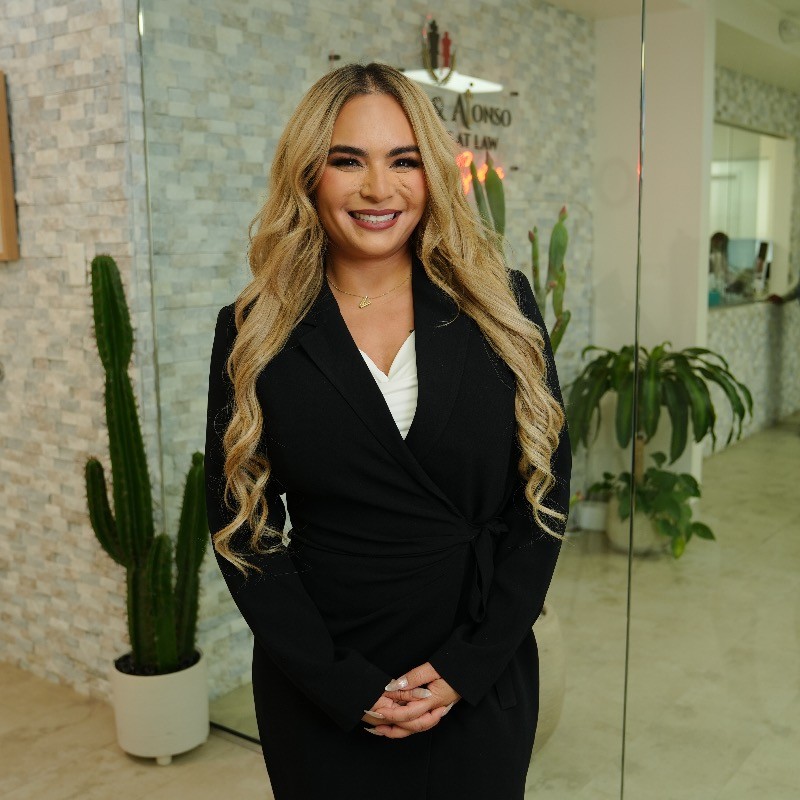
Vanessa Alonso is a visionary CEO, co-founder, and immigration attorney based in San Antonio, Texas. Driven by her commitment to Latinas and their families, Vanessa leverages her lived experience as a first-generation professional and business owner to empower and advocate for marginalised communities through legal and entrepreneurial guidance. She specialises in bridging cultural divides, tackling economic and power gaps, and lifting Latina entrepreneurs to live and lead with courage, purpose, and legacy. Her work is grounded in activating core cultural strengths—such as family values and community solidarity—while challenging the status quo that has systematically limited access to ownership and decision-making for Latinos in the US.
Joanne and Vanessa explore themes such as the social and cultural barriers faced by Latinas, the dynamics of assimilation, the myth of meritocracy in immigration, and the lived impact of anti-immigration rhetoric. They examine the necessity for underrepresented groups to create infrastructures and networks tailored to their reality, the intersection of migration and workforce sustainability, and how political shifts alter the climate for inclusion and representation. The conversation is both a stark analysis and an empowering call to reframe worthiness and power in minoritised spaces.
“I want us to utilise what we do best, which are, you know, strong family values, excellent work ethic, but do it to build something that serves us and no longer everyone else.”
“There's a fear that too many Latino immigrants or immigrants from different cultures will overwhelm what's currently occurring and that the people that have power today could lose that.”
“I have yet to see Americans step up to say, we will take care of the elderly, we will take care of the children, we will clean the houses, we will pick the vegetables, we will cook in the restaurants.”
“Somebody that's leaving their country to seek something better, leaving their culture, their language, their family, all of their comforts, are just left to try to do something better.”
The cultural drivers that encourage Latinos to serve others, and the need to transition towards empowered ownership and financial literacy.
How historic traditions, machismo, and humility manifest as internalised barriers to self-advocacy and economic participation.
The dual nature of obstacles: institutional power structures and deeply rooted self-limiting beliefs within marginalised communities.
Why building peer communities and infrastructure is crucial for sustainable progress, rather than assimilating into majority-dominated models.
The realities and misconceptions surrounding immigration, including the vital economic role migrants play and the punitive narratives that dominate political discourse.
Navigating the complex, dehumanising rhetoric immigrants face, and how legal definitions like “undocumented” shape lived experience.
The importance of active voter participation—highlighting how democracy and true representation hinge on marginalised voices being heard at the ballot box.
One thing to remember
The central takeaway from the episode is that Latina empowerment involves a transformative redefinition of power—shifting from a tradition of service and humility to one of ownership, agency, and collective advancement. Vanessa Alonso illustrates how entrenched cultural norms, intersecting with structural barriers, inhibit Latinas from fully participating in spheres of influence. Systemic change requires addressing internalised limitations, fostering community-owned ecosystems, and recognising the indispensable socioeconomic contributions of immigrants.
Questions this episode helps answer
What does it mean to redefine power the Latina way?
How do cultural beliefs and family traditions impact Latina leadership and entrepreneurship?
In what ways do structural barriers hinder Latino communities’ participation in business and civic life?
Why are immigrant and marginalised voices often excluded from positions of power in society?
How does anti-immigrant rhetoric and policy shape everyday experiences for Latinos in the US?
What role does collective resilience play in transforming marginalisation into community strength and opportunity?
Explore topics
Ideas from this episode
Redefining Latina Power
Challenging traditional roles and fostering empowerment within Latina communities to build ownership and leadership from a place of cultural strength.
Marginalisation and Power Dynamics
Examining the structural and internalised forces that limit access, representation, and influence for Latinas in professional and social spaces.
Immigration Realities and Complexities
Unpacking the nuanced realities of undocumented status, legal processes, and the often invisible barriers facing immigrant communities.
Dehumanisation and Stereotypes
Analysing how language, policy, and societal attitudes categorise and diminish the humanity of Latina immigrants and other marginalised groups.
Agency, Resilience, and Community Building
Exploring pathways for Latinas and other marginalised individuals to cultivate resilience, create their own infrastructures, and drive societal change through collective action.
Learn
Frequently asked questions
What does "redefining power the Latina way" mean?
It refers to shifting from a community role rooted in service and humility to one of empowered ownership, financial literacy, and influence, while leveraging cultural strengths such as strong family values and work ethic 00:04:09.
Why do some Latinas feel hesitant to pursue professional advancement?
Generational traditions, such as machismo and prioritising humility over ambition, alongside limited access to mentors and internalised self-doubt, can foster feelings of unworthiness and caution when stepping outside expected social roles 00:07:32.
How does immigration status impact daily life for Latinos in the United States?
Undocumented individuals often navigate complex legal, linguistic, and social barriers, with vulnerability to exploitation, exclusion from resources, and the constant threat of dehumanisation and loss of agency 00:30:45.
What are some misconceptions about the immigration process?
A common misunderstanding is that legalisation is a matter of simple paperwork, whereas in reality eligibility criteria are often restrictive, processes are complex, and many have no viable route to permanent residency despite long-term residency and contributions 00:20:48.
Why is it important for marginalised communities to build their own infrastructures?
By creating culturally aligned enterprises and support networks, marginalised groups can foster collective economic power and agency, rather than remaining perpetually in subordinate positions within mainstream, often white- and male-dominated, structures 00:13:30.
How does participation in democracy relate to inclusion?
Low voter turnout undermines representative outcomes and perpetuates systems that may disadvantage minority communities; widespread engagement is key to driving policy changes that reflect and serve diverse interests 00:54:12.
Share this episode
Heard something worth passing on? Send this conversation to someone who needs to hear it.