Joanne Lockwood interviews Monica Guzek about cultural identity, accents, and evolving perceptions of Polish people in the global market. They explore how heritage shapes inclusion and self-awareness, challenging stereotypes and encouraging celebration of diversity within personal and professional spheres.
In this episode of The Inclusion Bites Podcast, Joanne Lockwood is joined by Monica Guzek to unpack the theme "Inclusion Starts Within". Their discussion traverses intercultural awareness, self-discovery, and resilience in increasingly turbulent times. Monica shares compelling observations on how Poland's transformation over recent decades has reshaped both social attitudes and opportunities for its people. The conversation moves from embracing one's accent as a badge of identity to dealing with assumptions about heritage and background, highlighting the significance of intention when asking about someone’s roots. Joanne encourages curiosity and the celebration of linguistic diversity, while Monica unpacks how joy and curiosity are not just business mantras but everyday necessities for sustaining wellbeing.
“This is my accent, this is my identity. I am not able to pronounce certain words, you know, natives, you. But this part of me, and I would say that this is beautiful.”
Explore
Navigate this episode
Joanne Lockwoodhost
Welcome to Inclusion Bites, your sanctuary for boldconversations that spark change. I'm Joanne Lockwood, your guide on this journey ofexploration into the heart of inclusion, belonging andsocietal transformation. Ever wondered what it truly takes to create aworld? Remember, everyone not only belongs, butthrives. You're not alone. Join me as we uncover the unseen,challenge the status quo and share stories that resonate deepwithin. Ready to dive in? Whether you're sipping your morningcoffee or winding down after a long day, let's connect, reflectand inspire action together. Don't forget, you can be part ofthe conversation too. Reach out to[email protected] to share your insightsor to join me on the show. So adjust your earbuds and settlein. It's time to ignite the spark of inclusion with InclusionBites. And todayis episode 221 with the title Inclusion StartsWithin. And I have the absolute honour and privilege to welcome MonicaGuzek. Monica is the founder of Joy Flow Lab, an interculturaltrainer, researcher and leadership and businesscoach. She helps people lead, collaborate and thrive across cultural and generationaldifferences with greater resilience and selfawareness. When I asked Monica to describe her superpower, she said that itis her curiosity paired with joy, discovering different perspectives andlearning how others see the world. Hello, Monica, welcome to theshow.
Monika Guzekguest
Hey, Jo, thank you so much for having me here.
Joanne Lockwoodhost
Fantastic. I mean, I think the last time I heard that introduction was probably the Eurovision SongContest. Which part of the world are you from?
Monika Guzekguest
So I'm coming from Western Poland. I was born in ZielonaGóra. I know a lot of weird sounds, but I'm living inPoznan. However, I would say that my heart and mindset is very global becausefor the last 15 years I lived quite a lot ofplaces.
Joanne Lockwoodhost
So for people who are listening to this, who aren't necessarily familiar with Poland,it's grown rapidly or advanced rapidly as a culture sincewhat, the late 80s, since the Solidarity movement, the forming of the BerlinWall. It's really accelerated, isn'tis?
Monika Guzekguest
So if last time you visited Poland, for example, in 90s, you would not recognise where youare now. So now we are, as you mentioned, one of the fastest and rapidly growingmarkets, very international touch, with a lot of international companies,great, you know, motorways and places to visitand see. So very safe. So I would say that, yeah, Poland, so alittle bit changed the image, you know, in the eyes of foreigners, because a lot of people stillremember, you know, our past and we are in completely differentplace.
Joanne Lockwoodhost
Now I would say a lot of people in the UK who are maybeculturally diverse still see people from Poland as being thecheap painters, the cheap decorators or the Polish produce shop on thecorner. Because we have a large emerging Polish community in lots of parts of theuk. But people always associate Poland as being maybe that country stuck in the80s, stuck in that post Solidarity glasnost typeera. But it's not like that anymore at all, is it? And the people are as rich and diverse as anywhereelse in the world.
Monika Guzekguest
Definitely. We need to remember that a lot of Polish people came to UK when you know, wejoined European Union and then the bordersopen. So of course we were not selfconfident. We couldn't speak, you know, the proper language. So of course peoplewere doing physical works and I would say this lower paidone. However, now when confident and knowing what theywant, they are also now implying for higherpositions. So we can see that even in Ikea, for example, one of the globalpositions, therefore European Union, for example, European market, it's holding by Polishperson. So I would say that our images willchange. Different people now start being visible in the market, incompanies. Yeah. So I'm happy, I'm really happy about it because this is not only inUK everywhere. In the beginning of 2000,the one who were moving abroad, they were one who were wanting, you know, to have some incomesbecause in Poland that time we couldn't have the samesalaries.
Joanne Lockwoodhost
Also is reflective of the fact that the Polish education system, the business, the commerces aredeveloping people more so that the Polish people themselves are far more ready for a global marketthan they ever used to be.
Monika Guzekguest
Definitely. I would say that we are even over educated a lot oftime. It's a lot of time when I'm running workshops and people check myLinkedIn they ask me like Monica, when have you donethis? And I was like, you know, this is when you are figuring out your woundsbeing post communist country and then wanting to be visible in the world andachieve something. So people just, you know, we aretough. So we always said like okay, we need to doit. So we were studying, you know, even me to be visible in the market, I had tofinish the same two masters at the same time and have some extra jobs to havesome experience and so on. And then when I moved to Germany, I had to, youknow, kind of hide part of my education because it was toomuch. So I would say that we are educated, we speak severallanguages. However we have still, you know, our, I would say kind of shamethat we don't have this British or American accent and that it's, you know,Slavic one. But, yeah, our position, I would say, changed and how we see evenourselves.
Joanne Lockwoodhost
I'm a great fan of the Slavic accent and the way you speak and it shows yourculture. Um, I think if we all speak the same, we have the same accent, itdoesn't. You can't surface your identity. Your accent opens aconversation. It gives me knowledge that you have different experiences to me, and I welcomethat. That difference of accent.
Monika Guzekguest
Yeah. I also love it. And I would say that I don't know how this came to me, but when I was a child, and ofcourse then we didn't have Internet, I was always the one saying at school that why I need to speakwith certain accent. This is my accent, this is myidentity. I am not able to pronounce certain words, you know, natives,you. But this part of me, and I would say that this is beautiful, you know, asking,like, even, what is your background? Right. What. What is there? And sometimes even I'm laughing that somewords are very challenging for me, but this is part of diversity, which we canembrace and just be enriched bythis.
Joanne Lockwoodhost
But, yeah, you say that about maybe English, and I say that about Hebrew,I say that about Polish, I say that about Russian.Yeah. I look at these words and I don't know whatthey. I've got no idea what they say, let alone how to pronounce them. And I've met people whereI'm trying to get their name right and it can really take me sort of three or fourminutes to practise the pronunciation, to be able to get those kind of therolling R's or the real depth of thatword. I think what you're saying here is that when we've grown up and learned to speak inour younger years, we learn it with all those language rules and it's really hard tounlearn and to handle pronunciation of differentletters and characters in other languages. It's hard to learn that,definitely.
Monika Guzekguest
And even I had two funny, I would say, stories that some people can't recognise easily myaccent. Even when I'm speaking Polish, they're trying to, you know, put me to differentcountries. But when I was living in China and I tried to learn Chinese, then immediately theyturned and said, like, are you from Poland? I was like, how are you going to recognise myPolish accent in China? Chinese language? This was. I wasamazed. But the same with Portuguese, for example. So my friends were saying, like, youspeak Portuguese, but from Lisbon. And I was like, I don't know, what is Portuguese fromLisbon? And then from Porto, for example. I don't see thedifference. But, yeah, they are like some small nuances, which I would say that this isbeautiful.
Joanne Lockwoodhost
Right? Yeah. I've had people from America believe that I'm from Australiawith my accent. So I guess it depends on your culturalawareness of different languages and that way you think. But you're right. I remember being inScotland, north of England, if anyone, or north of the uk, if I want tolisten to this from outside. And I remember going into a restaurant, I think it wasa Indian cuisine restaurant. I was really surprised that all of the waitersspoke with a Scottish accent. And it was like, of course you would. You live inScotland. Why wouldn't you speak with a Scottish accent? But my brain was thinking you would speakmaybe in a more Asian, Indian accent, but theyweren't. And it's like, of course you were. Why wouldn't you? And if, even if you were,if you were of Polish heritage, living in the UK for all your life, you'd speak with acomplete English accent. Of course you would. You just make assumptions that people are always going to speak thatway. But I guess you would still inherit some of the pronunciation for maybe your parentswho are native speakers, because those are your early influences, aren'tthey?
Monika Guzekguest
I think that we shouldn't be simply ashamed how we speak. We should, you know, even becurious. This is what. What you even said, what makes me, being tapped, describemyself. So I've been curious, what is the background behind this? And a lot of time I hear like, yeah, weshouldn't ask even, you know, where you're coming from. But this is always what you said, it's ourheritage. This is beautiful. Storeys which are, even through our language skills, wecan embrace, we can see.
Joanne Lockwoodhost
Yeah, but that. That question about where, where are you from? It's verymuch dependent on your motivation. Is it? I. I want to know where you're from so I canfind out more about you, so I can welcome you, so I can be more inclusive about you and understand what makes youhappy. Or is it because I want to know where you're from so I can treat you lessfairly? If the intention is positive, then why wouldn't you want toshare? Because to be fair to the audience, you don't know this if you're listening to thispodcast. We spent 20 minutes talking before we went live about your culture, your heritageand all the things that, you know, some of your upbringing in Poland, which to me isfascinating. I love finding out about people and
Monika Guzekguest
for me it's the same. That's why I've heard two questions, even one, it's like, where are you comingfrom? And then you tell me as much as you want to tell me. Other question, which a lot of timemy friends hear, like where you are truly coming from, you know, and then it's because,for example, the way how you look, your skin colour and so on, this is not associated with the place,which you said. But then I think it's too much. So people should share how much they want thesame. For me it's when you ask me, so I'm from West Poland, but if we dig deeper, I wouldsay that part of my family. So it's. It's from the western part, it's from GreatPoland and 1/4 it's from Eastern Poland, which makes me evenvery diverse. So we, as a Polish, we are alsodiverse. So coming from different places, even if we name the city, it doesn'tmean almost nothing. Right. So. But people should have this space to share how much theywant.
Joanne Lockwoodhost
And Poland's a big country. We forget that. We just see it as this place in the middle of Europesomewhere. But it's a significantly large country, north, south, east and west, isn'tit?
Monika Guzekguest
Oh, it is. So, you know, from one part to another, I need to take a train and go eight hours or evenmore. So it is. And some I had last year and tried to discovermore places in Poland because, for example, I've never been in east. I was always saying this is toofar. For me it was. It's easier even to catch a plane to go to Portugal or Spainthan to go to other part of my country. I think Covid also changedthis. More and more people decided to discover beauty of our own country,not just other places around the world. I think this is also coming from the hunger from,you know, communist time that the borders wereclosed. And then we. After that we didn't have that much money totravel. So then when we could, we just expand and starttravelling. Yeah. But now I would say that more and more people also discovering Polanditself.
Joanne Lockwoodhost
It's a very old country. I remember visiting castles and it'sa real history because that part of Europe, it suffered a lot ofborder changes, a lot of skirmishes, a lot of wars. I mean, I know the Ukrainianpeople are Poland nemesis. Aren't they your enemy with the Ukrainians,I think, or the other way around and not theGermans. You were fighting east not fightingWest.
Monika Guzekguest
Oh, west as well. So we have kind of joke which is,you know, more sarcastic and just helping us tosurvive. It's that, you know, the God has an idea to put Poland betweenGermany and Russia and then to see what's going to happen, you know. And our country,I would say, suffer a lot through all these years. Poland as a state was establishedin 962. So I would say we have quite, youknow, long history, however, I would say difficulthistory. A lot of wars on our territory, a lotof. Yeah, things which were happeninghere. So we still have this in our mind, you know, thisbeing, I would say in the lower position, but very
Joanne Lockwoodhost
influential in the 80s as the trigger for the Berlin Wall coming down, wasn'tit? That was all the Solidarity movement. It was the uprising at theshipyard. That was the beginning, the end, if you like, of the SovietUnion.
Monika Guzekguest
Yeah, yes. And we have the strongpersonalities. We fight for our freedom. So I would say freedom, it's something whichyou can really see in Polishnature. If we don't like something, we mostly saythis so we are not quiet somethingwhat. I'm amazed even how strong we are that we need to remember thatPoland was not existing on the maps for over 100years. Anyway. Our language is not influenced by otherlanguages, culture, music, literature and so
Monika Guzekguest
on. So I would say that this fight which is inside us, this strongtoughness, I would say it's part of us, it's there sometimes it's bringing challenges when wework in, you know, globally, because then we. Our feedback is very direct andnot each culture is able to deal with it. And we haveour. We say it Polish smile. So, you know, quite poker facealso. So people don't know what we are reallythinking. And our language, for many international people, sounds like we arefighting that we are always angry, which is not true, but you know, it is how itis. This is the most questions which I'm asking, like, areyou. Like, are you angry or you are not typical Polish? Like. Yeah, because I'm also a lotliving and working with Latin cultures. I'm a littlebit different. I'm not typical one. But yeah, something which, if you come to Poland and you seeour faces sometimes we might look angry, but we arenot.
Joanne Lockwoodhost
Yeah. When I. When we first started chatting, I asked you which part of the world you're from andyou imply that your heart is now Portuguese, notPolish.
Monika Guzekguest
Of course, in some part it's Polish. My friends, they are saying that I have Brazilian soulin Polish bodies. There is part of me which is verylike. It's very Latino. When you are living in different culturesand speaking different languages, then you also embrace certain aspects of thosecultures. Or maybe in other way. You're kind ofhard. It's looking for something in different cultures. That's why we are attracted to certainplaces around the world. Some people go into Asian culture to Asia,right? Some going to UK, some to Germany, some to Portugal,etc. So in my heart I would say that Brazil and Portugalhas like huge space. Then of course Poland because I'mPolish. But there's also part of me which I would say embracing a lot of Germanqualities. And this is related to history of myfamily.
Joanne Lockwoodhost
There's a danger when you are a child of the world, you've travelled and you've lived and you've been inlots of different places that you become diluted. Are there certain elements of whoyou are that are fundamental core values,if you like, and some bits that are kind of adaptive. What would you say were your coreelements? What is your core Portuguese? What is your coreBrazilian? Your core Polish? What are those things thatyou. Then you're non negotiables. If you likefreedom. Freedom. Freedom.
Monika Guzekguest
Well, I would say it's part of me. It's notnegotiable. I am not able to live, you know, in the places where I don't feel thatI'm. I'm free that free of choices, free of being able to speak, of courserespecting boundaries and. And otherpeople. But I would say that the freedom and this is part also of Polishculture. I would say the same Brazilian one that there is this commonsense.
Joanne Lockwoodhost
When I introduced you, I talked about your curiosity paired with joy and how youwelcome. Understand different perspectives. That's not always easy for many people, isit? The open themselves up to thinking about differentperspectives. How do you tackle it as a person first and how do you encourageothers?
Monika Guzekguest
To be honest, I think that this is part of me which naturallyhappened. Even yesterday I was running a workshop and then I had one on one sessionswith participants. Once this start opening themselves really easilyand. And meanwhile they were saying like, but you know,I'm. I'm not able to share a lot of things about myself Ilike. But now you just. In few minutes you tell me your story and then a lot of you saylike yeah, this is intuition. I can trust you. So I think that this is also something
Monika Guzekguest
which naturally I have. I'm able to build trust and that I'm truly curious not just touse this Knowledge to, to do something. So sometimes we have this, this intuitivepart which is saying I can trust this person or not. And this is mostly how I'm buildingbusiness, how I'm working with people that I like to have this closeness and abilityto see other person. Not just even when I working with big corporates, internationalone, then there's a human being in the end. So I would say that this is what makes mefirst just to see what is there. How can I help you? How can I serve the best foryou? How we can together find this joy? And people are finding this just coming andsaying, yeah, you are the person who can do it. I was like, perfect, thankyou.
Joanne Lockwoodhost
You said human being in there, or paraphrase what you just said, andthat is so important is to humanise is to feel,touch, embrace who somebody is. That's the real key, isn'tit?
Monika Guzekguest
And you know, with fast pace of life, a lot of time, we're forgetting about this,right? It doesn't matter what is our background and who we areat work, which role we have, which masks which we arewearing. Right? So we are human being, we have all feelings, we have some difficulties,challenges, we want to be seen, heard. So I think that this is something, whatis the most important and even in diversity area where I'm of coursealso working, this is what I'm trying to show that this is notpeople. A lot of people are stressed that they use, you know, wrong sentenceor wrong way of naming people. I said like just ask, it's okay to makemistake, but if you're coming from position, like what is the best for you, how we canfind this connection. Right?
Joanne Lockwoodhost
Yeah, I think you're right there. You touched on something. I think you use the word stressand our brains behave differently when we're in certain frames ofmind and stress. And we know that leaders, we know that managers, people in high pressureenvironments don't always react orcommunicate in the most effective way when they're stressed, aren't they? And so how do you encourage peopleto step out of that stress zone?
Monika Guzekguest
I'm working also with polyvagal theory. So we are working on our nerve systems, youknow, trying to slow down a little bit. When I'm working with people, I'm also bringinga lot of, I would say, experiences that they can find themselves in a new situation,but in a joyful way. So we're playing withLego. So this is something, what we know from childhood or some, some people are still using this andit's great. But then we are building. We are able to describe even ourselves showing a littlebit this the softness. So even naming things. This is what you now said that stressit's making us being back to I would say very basicskills. So we are just running or surviving and Right. So we are not verypresent in emotional level. And then when I name this even with people and we startworking on calming down their nerve system the way how they are thinking, what are theprojections there biases we have then we are finding out that this is not really about the personitself, you know with who they need to work. It's a lot of things which they heard from media which theysaw somewhere. So they are like okay, let's breakit. Let's be curious.
Joanne Lockwoodhost
We titled this episode Inclusion starts within. We have to understand self before we can understandothers, don't we?
Monika Guzekguest
Oh, of course. So before I would say that everybody shouldhave. Even in primary school we should have some classes or I don't knowcourses which allowed us to communicate better to understand what we needto express our needs to deal with our emotions, with ourangers. And I was. I'm happy to see that younger generations are more opento this that they are teaching even a lot of time leaders or parents right thathey I'm human, I have feelings, I want this. And others they arestepping, stopping themselves and saying like okay, now it's time forme. So it's in the reverse way now we are doing this than we should in myopinion.
Joanne Lockwoodhost
Yeah, I never realised that self awareness was a learned skillbecause I think you go through much of your life being selfcentred. You don't necessarily think about the needs of others. Even as leaders youoften think about what I've got to worry about what the pressures are onme. You're just there to. And it's not until you really truly understandself. That's the first step for me is
Monika Guzekguest
that understanding self lucidity depends something what I'm reallyseeing. It's that in some cultures some people are very selfcentric. So of course me and what I want and this is more in hierarchicalsocieties. But then as well it's other part which people start focusing a lot onothers. So they put themselves in the lastposition. So then as leaders they are overwhelmed because they are taking care ofpeople. And a lot of time I'm hearing I feel like a parent for myemployees. And then depending what kind of parent you are,right. If you're allowing them to make mistakes or you're controlling things. So I would say that thisdepends nowadays what I'm recognising as a pattern, it's also oureducation. So what we took from our school system, from our parents and soon. In Polish society we were always taught do something forothers. You should be the last one. I was for example raisedopposite. I'm the only child, so it's also different. And yeah, so then I have thesetwo perspectives. So we need to find where to meet each other. I would say preferably in the middle but ofcourse it's a lot of time challenging to find this middlespot.
Joanne Lockwoodhost
That's interesting. My wife is an only child and she often saysshe uses only child syndrome as a kind of a mantra for sort ofsometimes the way she thinks. Do you find that being an only child you havea different perspective than people who are part of larger families?
Monika Guzekguest
I would say yes, because I'm not patient. I never had to wait for something,I was the only one. So attention was always onme. And when I'm running workshops, sometimes leaders are laughing that ah, you are oneof three kids. So you are used to wait or you are used to sharethings. I am not. I had to learn this, of course my parents did they, I would sayhomework and I had to always share things with my cousins and you know, not knowingthat everything is mine. But we can see this, that for example GenZ, right, they are mostly from only childs. And then it's very individualperspective, like I want this, I don't want to wait, find time for me because this is what we areused to at school, at home and so on. So of course we can't say that everything isrelated to this only child syndrome. But we can see that the way wewere raised then of course it influenced who we are, how we are working afterthat.
Joanne Lockwoodhost
So fundamentally. So curiosity is obviously a big, a bigfactor. You've got to want to know about other people, you've got to want to knowabout other people's cultures. If you don't have that curiosity, you're not,you're never going to advance, develop or beopen. But another thing you talk about is usingjoy. Joy is kind of, that's the foundation of your, of yourbusiness. Was it JoyFlow Lab? How does joy fit into this model of curiosity,Cultural awareness, self awareness,curiosity.
Monika Guzekguest
We can see what is joyful for us andwhatnot. And I'm always saying that even if things which we are doing and we don't like them,this is a sign for us like, like we don't need to go and do it and repeat thisthing. So if you don't like running, for example, don't run. Find something which brings youthis joy to do so. I would say that if I have a lot of access to mycuriosity, openness to things, and then I can easily see what is bringing me thishappiness. And even now, living in very fast paced times that where is a lot ofchanges, a lot of uncertainty. Well, a lot of words in the world which influence usdaily. We need consciously bring joy to our life because we arestressed, we are stressed, we are sad, we are angry, joy. A lot of time we don't evenrecognise, we don't recognise the small moments. We don't recognise what even bringingus dissatisfaction. Even yesterday I had, you know, conversation with one person who wasgoing through a lot of challenges in the last year. I A littlebit. It's a private, you know, connection. So I little push, like you need to go formassage, you need to do something for yourself. And this person didn't want, but in the endagrees like, okay, I would just do, you know that you let melive. And in the end they called me and said like, thank you so much that you didit. Now I see the difference in my life that I startdoing. I start going to see people and so on. It's sometimes to have this,I would say, external factor which is bringing us joy. So for example, even with me,when I lived in Portugal, it was Covid time, so there was nota lot of uncertainty. I also finished myrelationship. So. So, you know, in one moment it was something what I had to stop and say,like, okay, what you want in your life? There was a lot of sadness. But then I met my Brazilian friendsand I was dancing a lot, you know. And then when I moved to Poland and aftertwo years I was facing burnout and depression, I was thinking like, whatmade me be different in there when I was living and even that I was going throughdifficult period in my life, I was kind of happy, you know, I had this happiness inme. And now which I have almost everything. I have company, I'm doing projects, whichI love. I have other aspects. And then I found out, like I was not bringing myself joy, I wasjust working hardly, you know, discussing solvingproblems. So that's why I started dancingagain. I start painting, doing different things, which I would say, if you ask me10 years ago, if you start doing this, I would say never. It's not forme.
Joanne Lockwoodhost
Yeah, I think, I think you're right there. I can get veryengrossed in something. I don't know if it's my thinking style where my brain works, but Ican really can get absorbed and to the point where it becomes allencompassing. And sometimes I need someone to almost grab me and pull me out, say,right, we're gonna go for a walk, we're gonna do something else, we're gonna spend some time in thesun. Just to sort of flip your brain into a different modesometimes. And that changes the brain chemicals and gives you that, as you say,that uplift, that joy, that clarity. And then you can go back into your zoneand do some more work if you like.
Monika Guzekguest
Yeah, because we need to have also space to just donothing. Or like you said, go outside, enjoy somesun. Right. Nature. A lot of time when I'm working with leaders, CEOs on one on onesthey're telling me I have everything, I have money, I have my family,it's. Well, I have apartments and so on, I feel that something ismissing. And then we're trying to figure out, okay, what is bringing you really joy or a lot of timepeople saying like I have great career, but I feel that something is missinghere. And I don't know, should I change, change the company, what should I do? And then we start, you know, digging deeper and thenit's like they have dream even from childhood to have food truck or somethingelse. And I was like, yeah, so you don't need to quit your job. You can just start doing somethingaside and then to see maybe this business will grow. And then you decide to change yourcareer path or at least you try and it was fun foryou. Right. So this is also about joy. So one is a small mom, but then others it'sto finding the way to really start feeling that our heart, you know,it's warming up and. And we are just start shining I would say like brightening up on ourfaces because we easily can see if people are really enjoying what we are doing or we are justsurviving.
Joanne Lockwoodhost
Just surviving. Yeah, that's where we never want to be really. Just surviving. It's thrive, notsurvive or not just survive. Yeah. Six years ago. I mean, it sounds crazy that Covid started sixyears ago. It seems like in some respects it seems like yesterday and in other respects it seemslike a lifetime ago. But we, we all had to find a different way of beinga different sort of joy in those days, didn't we? We were confined in fact, wherever youwere in the world, apart from, I think was it Denmark or wherever Sweden, where everyone had to be Locked down,everyone was stuck. We had to find a new way of existing, a newway of discovering joy.
Monika Guzekguest
That time I would say that I was not really discovering joy because evenbefore COVID I was going through very challenging personalperiod. And this is what I also shared with youbefore. So I agree with myself that I stoppedtravelling. I will slow down, I will see what's gonna happen. And then even in Covidtime anyway, everything was closed, we couldn't travel, we couldn't doanything. So I was finding joy in the small moments. I started seeing that in the garden thereare new flowers, which, you know, for years I've never seen them before, or the tree isblooming beautifully. So I start seeing this joy in smallmoments. I was laughing that this was also the moment where I start really investing evenmore in myself, educating, reading books, doing trainings at home and soon. So I tried to took as much from this period as Icould. But of course not everybody had conditions to this when, youknow, we had some personal household challenges when people were going through losing jobor not being able to earn money and so on. Although at the time I quit my currentcareer in the corporate. So everybody's saying like, you are reallycrazy. I said, like, no, I'm feeling this, I'm doing the rightthing. I was prepared for this. So. And then when the borders were open, just the, you know, announcedopening borders a few days after, I was flying to Portugal to reallyembrace this joy. But something which you also mentioned thatit's. It seems that it's different in a lifetime,right? It's the COVID time. It's already six years now we have newchallenges and we didn't have the time even to stop and to startliving, finding out where we are. After Covid it, then the war in Ukraine, I wouldsay arise because it started even before. So now it's another globalconflict, inflation and so on. So people, they don't have time to really slowdown.
Joanne Lockwoodhost
And we've also got. Yeah, just to put a timestamp on this, this episode,we've now got the escalating conflict around the Middle East, the Iran,the Strait of Hormuz, the oil prices, the world is uncertain as to if theescalation is going to occur, what that lookslike. So people's stress hormones, the uncertainty hormones, the costof living, the price rises. It's a real tricky time to be a human right nowon this planet. It's different to COVID, but similar sort of feelings ofuncertainty.
Monika Guzekguest
I agree. And that's why? You know, it's even when we're talking about joy,right? It's like how you can be joyful when all these things are happeningaround you. So I would say to find it because joy doesn't need to bring with bigthings. And even for me, I see this even for my clients that of course thisinfluence my partners, me as well. However, then what we can do about, right,what is our influence and how we feel in thissituation. Do we need help? I would say that something what it's different thanin COVID times nowadays for all this difficulties which we are facing, peoplestart seeing how important it's other person next tothem. They are saying like, I'm happy, my family is safe or I just want to havemaybe new friends. I can't talk with people who I was, you know, friend till nowbecause it was based on business or, you know, justtoughness. So something what people start seeing, it's yeah, this humanity,this is what we were saying. But close to us, not in the worlditself. So the small tribes, you know, which
Joanne Lockwoodhost
we have around you mentioned toughness andresilience or as we used to say back in the 90s, bounce back ability, I think we used to call it thatthat's quite a valuable skill. But it's not always easy when you're in the middle of something that isstressful, problematic. How couldyou. How do you recommend people step back? Because sometimes you need to be a step away beforeyou can see the bigger picture.
Monika Guzekguest
I think the first thing, it's time we are not able to really see that somethingchanged or it changed only in declarativelevel. So it's time. So if we are facing this kind of things, we need to giveourselves time and as well space a little bit. I don't want to say to dissociatefrom the problems, but if we are feeding ourselves with all the news and we willall the time complain about prices and things, things so then we are not able tobounce back and do things. So we can. We need to really see what we haveinfluence on and how we can manage this, right? So even yesterday I wrote a newsthat airlines, they don't know what's going to happen with the prices,right? If there would be enough fuel and so on. So yeah, we might havedifficulties in this freedom which even I mentioned that it's important forme. So then I'm starting redefining so what it is and what I cando. And I would say that it's. If we see that we are not able to bounce back byourselves. We need to have support and we shouldn't be afraid to ask forhelp.
Joanne Lockwoodhost
I really like what you said there. Used the phraseredefining. You have to recalibrate your expectations or recalibrate yourview. If you try and hold on to what you previously wanted, previously expectedor previously believed, then you're always going to be in a state ofstress. But if you can redefine what is acceptable for you, what works for you,and find joy in that as well, that I am now joyful in thissituation. Again, using COVID's analogy, I wouldn't say I ever became joyful ofbeing trapped in a house with no garden at thetime. But I found different acceptance. This is the way itis. I get up in the morning, I do this. And my wife and I used to say the first thing wedo when we woke up was shout out the day of theweek.
Monika Guzekguest
Week.
Joanne Lockwoodhost
Because we had lost track of all time, whether it was a Friday or Saturday, Sunday, Monday orwhatever. So we used to go yeah, it's Wednesday. And just to give usthat. And that brought us a different sense of perspective that we could track time passingand we'd look forward to what was going to be on television or what Netflix we were going towatch. And we were finding different ways to anchor ourselves temporally, if you like,than just letting ourselves wander in this big space where we hadno. No anchor on it on reality definitelyis.
Monika Guzekguest
And something would differ us even this aspect how we are goingthrough this. I would say redefining process but in the sense that we are losingsomething. Right. So it's how. How much we need tocontrol. And we can see this, that for people who were easierfor who it's easier to just let go things and saying like okay, I will adapt tothe situation which we are now. So what I can do about itmight be easier than if we try to, you know, be really holding lacesand saying like no, I have influence on everything what ishappening. Because then we. We do really not haveit. And this is what you said that then you need to findthis. The structure in something different than we were used toexternal world. It's not anymore a place where wecan. How to say this even that we can look atthis that it gives us this stability that it's predictable that wecan. We know what's going to happen in one year. No, wedon't. So we need to have the structure in ourselves. So if you have, you know, your rootmorning even routines Right. So then, you know, that doesn't matter if it's Wednesday, Thursday orany other day, then you know how to manage this. But, you know, a lot of time weare just dealing in this rhythm that are going to work, coming back, doing otherthings. And then if you can't go, for example, to work, everything is, you know,changing.
Joanne Lockwoodhost
Do you think the world's getting. It's a leading question,really. Is the world getting friendlier or is it getting.Getting. Are we getting further apart?
Monika Guzekguest
I have really. I have this, I would say a little bit, you know, pink glasses onmy eyes. And I would say as a human beings, even though we are stressed and a lot of thingsis happening, we start kind of awakening this personallevel. I can see this in thecorporates. They are saying like, yeah, we need to see that they are working humans and robots,that we are just humans, we not always will do everythingperfectly. So I would say in this level, which people are around us, I would saythat it's getting friendlier, that we start valuing who is next to us, that we might need tohave, you know, talk to them, ask them how they are, ask forhelp. But, you know, on this higher level, which we are not influenced, weare. We have no influence on. I'm a little bit sceptical,even. Not a little bit, a lot.
Joanne Lockwoodhost
The political climate or the political discourse across the world is ebbs fromright to left and centre. And I just feel the pendulumis ticking towards the right side, which means that people arebecoming more isolationist, more afraid ofoutside. A lot of immigration concerns, a lot of peopleworried about this, that and the other, and a lot of that is politically driven and it's toinfluence the way people think. Whether that's true or not, I don'tknow. But it's. We are getting into a world where people seem to be moredivisive, more isolationist.
Monika Guzekguest
Now, that's true. But the movement also, which I see that peoplestart questioning a lot of things, especially when you ask me about Polish society,we question a lot. I would say that a lot of time we are even too sceptical, but wequestion. We have this critical thinking approach and this is something we know at these timeswe need to really have it, to see what is true, what is not true and what we have influenceon. Because like you said, on some aspects, and they are politically driven,we, you know, we can go, we can protest. But then even in Polish situation,women rights, I would say not changing or evenchanging for worse, women were striking. Nothing changed or even changed forworse. This is what I said. So what we can do, you know, in our smaller group, groups ofpeople who are really around us. So this is something what we should focuson.
Joanne Lockwoodhost
I mean, you live spend a lot of your time in Portugal. So what's going on inPortugal? I understand that there's a more right leaning political shiftat the moment. Is it an anti EU shift? Is it an immigrationshift?
Monika Guzekguest
I would say it is, depending on the time, you know, when it was election, of course itwas Portugal. It's as well, you know, the most pushed to the westernpart. So it's a little bit isolated societyanyway. It's way more traditional how they think, what theydo. I would say that something is also what needs to be mentioned is that living as anexpat is different, that you are part of society, because if you are part ofsociety, you know what's going on. You know, the most you, you are into politicseven if you don't want to be. If you are expat ex pat a foreigner living there, youpartially see things. But you are not voting,right? You are not part of society, trulysociety. So that's why I would say that the perspective isdifferent. That's why I think that a lot of people start, you know, travelling,moving and being digital nomads. Because this is one of the things that you canescape from. All these things which are happening and we don't know what to do withit. It just bring in this heaviness that's a.
Joanne Lockwoodhost
That's really woken up a part of my brain because I, I spent a long timein my early career working for organisations, you know, being a manager, being an employee of anorganisation. And then I jumped into freelance consulting andexactly what you said. I became unconcerned with the politics of theorganisation. There were people fighting for their desk or their chair or theirpromotion or their right to this and their right tothat. As a consultant contractor, I was just coming in, do my job, payme, I'll leave. Thank you. And I always thought that gave me a superpower, moreproductivity because I was less worried about the environment and more worried aboutdoing a good job and getting rewarded. And so what you've just said there about being anexpat, it's exactly the same. You're there to enjoy and absorbthe world and live, not worry about the infrastructure and how it getsthere. And yeah, it's a not quite tourist mode because you're a bit more invested in that, butyou're kind of not there to fix or to worry.
Monika Guzekguest
Definitely it was the same storey with me in the companies in corporate world that Iknew that I couldn't change all the company because it's not my company and I'm not adecisive person. So I decided to step out and. And be external consultant, trying todo as much as I can. Right to a little bit change. I would say the word for, you know,being more inclusive and healthy and humancentre. But even last year I had discussion with my friend in Portugal because Idecided to be back to Portuguese language. I said like, okay, now it's time that Ireally start speaking this language. I'm coming here for so many years and I want to bepart of society. And then he told me, but you know, if you start speaking language, you
Monika Guzekguest
start noticing things which before you had no clue what was going on because you werekind of as a tourist, but coming there, going to local places, just smiling because Icould say, you know, like, hello, how are you? I would like to havethis. But definitely what you said, it's not that touristic, just approaches tosee. But if we are not truly, you know, rooted in some societies, we can't see this,these challenges. And even now, last month I was in Portugal and speakingPortuguese, trying at least I started noticing different things thanbefore. And then I spoke with my Portuguese teacher and like, yeah, this is what ishappening, this is the process. Now you see also shadows of culture, not only thesebright sides, you know, as a Jung mentioned.
Joanne Lockwoodhost
Yeah, I suppose if you don't speak the language then you, you won't notice the newspaperheadline or listen to the radio or something on the news, on thetelevision that is in Portuguese and you never noticed it before. But since you start noticing,that's where the discourse happens, isn't it? That's where the real deep stuffhappens. Whereas if you're, if you're not speaking the language, all you see is a smileyface. You don't see what actually they're talking about and you don't get involved with thedebate. You can't earwig people in a cafe or whatevereither.
Monika Guzekguest
Definitely you're even not looking for these newspapers because you simply don'tcare.
Joanne Lockwoodhost
Right.
Monika Guzekguest
It's like, I don't understand, so I don't need to checkthis. I don't know, I'm paying my bills, I'm taller and I'mopen. I just want to see. So it's a little bit different. And when, even if you don't want, but youstart recognising what Is happening and listening, people talking,talking.
Joanne Lockwoodhost
So yeah, that's a really. That's a good nugget out thisepisode. Just that conversation about this, the. The whole awareness that when you talk about culturalintelligence, cultural awareness. If we're not careful, we could be very superficial, can'twe? I mean, we could be in tourist mode. I know about you as a person, as atourist, but I don't know you as a person, as a citizen and that's a completely differentaspect. So I guess when you're in Poland you have that citizen mode,even though your heart is in Portugal, but you're more citizen activated in Poland becauseyou culturally invested in that.
Monika Guzekguest
Yes, and I had to turn a little bit to this tourist mode to be more curious, you know,because if I was coming with the background, which I understand, I see all theseshadows, you know, and people were complaining and also not good things which arehappening in my country, I had to a little bit turn to this touristmode. So my. My work is allowing me, because I'm travelling a lot, you know, throughdifferent cities, even in Poland, to work with my clients,science. And I'm amazed. I'm meeting a lot of nicepeople. I'm, you know, in every city when I'm coming, I have, after some work meetings,workshops and so on. I have new friends so we can go for a concert to see differentthings. And I believe that this is something which we also should
Monika Guzekguest
do. So sometimes, you know, put these things which are difficult aside and startenjoying our city a little bit as a tourist. Because even through corporate times,when I was working and my boss asked me to go for a tourto. With our clients from US to Pozna, where I'm living now, at the time I was based indifferent city and I was like, I have no clue what I can tellthem. It's my city, but I never was a tourist here. I don't know the story of all this, youknow, buildings, et cetera. So sometimes if we switch to the storys mode, I would saythat it's very beneficial because we see this through differentlenses. And something else was you mentioned about this superficialapproach. I would say that with many things we start having, or we had for years, thissuperficial approach and we need to start being aware how we behave, how our behaviourinfluence others and us and the same, you know, which choices are good for us and alsofor others if we want to include them.
Joanne Lockwoodhost
Yeah, that influence aspect of our personality is veryimportant. And I often said to my family and people around me that there was atime in my life where I made some significant changes and I realised thatin order to be loved, I had to be loved. In order to be liked, I had to belikeable. In order to be worthy of respect, I had to do things that earnedthat. And I suddenly realised that those things were in mypower. I could control if I was likeable, if I was lovable and if I was worthyof respect. I couldn't necessarily demand of others until I invested inmyself. And I think we've got to be really careful here that we don't believe we have a rightwithout doing the investment ourselves.
Monika Guzekguest
And this is first step even to have a happy life, this joyfullife. So if we are aware and of course we are this what I said before, we are notperfect. So of course we have worst moments, right, which sometimes we are not likeable andnot. Not pleasant to deal with. So but if we are aware, so then we can evenapologise or we can build this connection with others and have some thoughtsand next time act differently. But yeah, the work starts with us, then we can look onothers, others. And I think this is what we also discuss about leaders,right? That if they were egocentric, more like, you know, looking at themselveson other people. So a lot of time, for example, in even notin Poland, but generally when, when I'm working, they're saying like, oh, this person did this to me, they are this,they are that, right? So seeing problems outside. But then this is what yousaid. If you do your homework, you see why maybe people behaving in certain way or why yousee certain aspects in them, then you can have I,in
Joanne Lockwoodhost
the notes you sent me before the episode that you mentioned your own understanding of your ownneurodiversity and how that sort of shaped the way you think about the worldand what you do. When did you become kind of aware thatyour thinking style would be on that what you would classify neurodiverse sort ofwavelength?
Monika Guzekguest
I would say that I always was a little bit different in the way ofthinking. And this is through also aspect that this is what I mentionedthe beginning, that some part of my family is coming, coming from West Poland, some fromEast. So when I was visiting, you know, those who had eastheritage, let's say I was perceived as different when andopposite. So I was always not matching, you know, with my behaviour,with my attitude. And then I just knew what I want in mylife. So then I knew that I'm going to live globally, that I'm going toGo to different countries. However, when I would say first step to this consciousnesscame when before moving to China in 2015, I meta person and he told me, language is one thing, you need to observecultural codes so how people behave, what they are doing, even if you don'tunderstand. And this was my first step through thisconsciousness. Of course I couldn't speak Chinese. I tried to learn, it was too challenging forme. So I gave up. But then I was really observing and I had the most, most,I would say tough as well, but the most beautiful journeyitself. I spent in Asia two years working and living there and this was reallychanging my mind, you know, from Western. So from being from Western world where wereally appreciate, I would say how much we earn,right? Which position you have, which phone you have. And then when I was living in Asia,my colleagues from work, they really didn't pay attention the time to thisaspects. And then I learned to be more humble, appreciating the smallthings. And then it was, you know, really clash. When I returned from, from Asia to Poland and throughtravelling in Thailand in jungle, my phone broke. So I bought, you know, the cheapest one, just tohave one to return to Poland. And then my friend in Poland, she asked me like, will you change yourphone because it's quite old, right? And I was like, so we are in different worlds now,so. So, you know, this aspect startedclashing. So it was when I was still young, I was, you know, after universityand then I would say that more and more, more I start seeing that we thinkdifferently sometimes and we see word differently so what we can do aboutit.
Joanne Lockwoodhost
I worked in Hong Kong and Singapore for about a month across the two countries backin the mid-90s. And it was really strange as a European personwho spent all their time in Europe or in an English speaking type culture,to suddenly be into a completely different rootedculture. So the Chinese culture, the Hong Kong culture, the Singaporean culture culture werecompletely different paradigms to the European version. The attitudes and the whole way societyis designed is different. And that was a real wake up call for me to, tosee a complete difference was going to Spain on holiday, going to Germany on holiday, justa bit different fundamentally you could recognise the same sort ofthings. But when you're tipping to those other zones where in China, I'm sorry, in Hong Kong, Inoticed that I was a lot taller than everybody and it was like, and you suddenly you're standingout. And as a white person, I was very much in aminority. And so I felt A realoutsider. Whereas in other countries I may be blended in.
Monika Guzekguest
You had the same story. I'm also very tall, so I was standing out and if somebody asked methen about, you know, being discriminated, if how can I notice as a whitewoman? And so I said like, I know I was kicked out from, for example, from the taxi in Chinabecause I'm white woman and men really, they directly tell me this and I was like, oh,w. And you know, then I was trying to catch taxi with my friendsfrom. From Cameroon and Congo and they said like, yeah, but we have challenges, like, noproblem, I have the same right. So, you know, through all the storys then I start seeingthat in different contexts we might be this one who are outstanding in positivesometimes way and sometimes in very negative way. So I believe that my story brought me tothe topic of diversity and why I'm also know I have courage, I would say, to speak a lot ofdifficulties. Even last time my friend asked me, like, you know, I'm running a workshop,so could you suggest maybe some video or what you're talking about, you know, in this, inthis area. So like, I'm just sharing my storys because I went through a lot of unpleasantmoment as well. And then I would say that we can. We know how to feel in thissituation. So we then we find this courage to speak up and see that, show others that theworld might look different. Friend.
Joanne Lockwoodhost
Monica, it's been fascinating. We've been chatting away for at least an hour and a half, half an hour before we wentlive and it's been absolutely. I love getting to know you andit's. Yeah, how can people get hold of you? What's the best way of people reachingyou?
Monika Guzekguest
I would say LinkedIn. So Monica Guzek or my website, monicaguzek.comso this is where you can easily reach me out. And yeah, also for your website now as wehave this podcast. So I also would like to thank you for, you know, being here, your guest and having abilityto share my
Joanne Lockwoodhost
story and Guzek is G U Z E K G U Z E K. Yeah. So anyone's looking up and I think wefound each other on LinkedIn already. So, yeah, looking forward to that andvisit your website and find out more about Joy Labs and JoyFlow. Yeah, Monica, thank you.
Monika Guzekguest
Thank you so much.
Joanne Lockwoodhost
As we bring this conversation to a close, I want to express my deepestgratitude, gratitude to you, our listener, for lending your ear andheart to the cause of inclusion. Today's discussion struck achord. Consider subscribing to inclusion bites and become part of ourever growing community driving realchange. Share this journey with friends, family andcolleagues. Let's amplify the voices thatmatter. Got thoughts, storys or a vision toshare? I'm all ears. Reach out to
Joanne Lockwoodhost
[email protected] and let's make your voiceheard. Until next time, this is Joanne Lockwood signing off with apromise to return with more enriching narratives that challenge,inspire and unite us all. Here's to fostering a more inclusive worldone episode at a time. Catch you on the nextbite.
Identity in a Globalised WorldThe Power of Curiosity and JoyFinding Inclusion from WithinNavigating Stress and Building ResilienceThe Subtlety of Cultural Integration
In this episode of The Inclusion Bites Podcast, Joanne Lockwood is joined by Monica Guzek to unpack the theme "Inclusion Starts Within". Their discussion traverses intercultural awareness, self-discovery, and resilience in increasingly turbulent times. Monica shares compelling observations on how Poland's transformation over recent decades has reshaped both social attitudes and opportunities for its people. The conversation moves from embracing one's accent as a badge of identity to dealing with assumptions about heritage and background, highlighting the significance of intention when asking about someone’s roots. Joanne encourages curiosity and the celebration of linguistic diversity, while Monica unpacks how joy and curiosity are not just business mantras but everyday necessities for sustaining wellbeing.
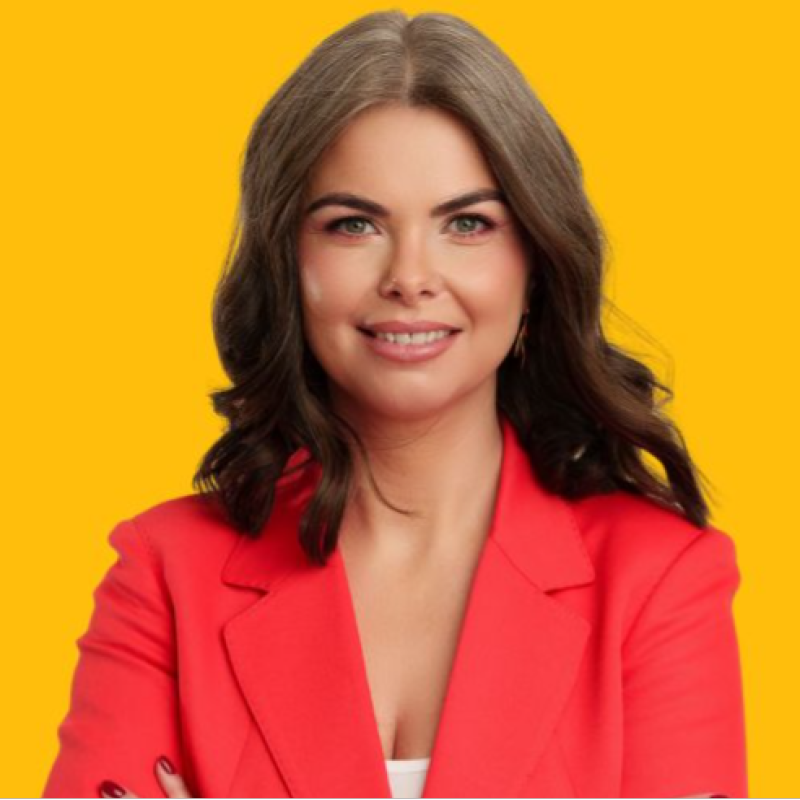
Monica Guzek is the founder of Joy Flow Lab, an intercultural trainer, researcher, and coach known for guiding individuals and organisations through the nuances of collaborating across cultures and generations. Drawing upon her own experiences of living globally, Monica focuses on helping leaders and teams thrive with greater self-awareness and resilience. Her unique approach marries her innate curiosity with the pursuit of joy—encouraging others to consciously seek out what makes them whole. Monica’s background ranges from conducting workshops for corporate clients to deeply personal stories of adaptation, self-discovery, and what it takes to move confidently in diverse contexts.
Joanne and Monica explore polyvagal theory as a foundation for understanding stress responses and building interpersonal connection. They discuss the practicalities of stepping outside comfort zones, reframing mindsets, and redefining happiness through small daily actions. Their dialogue questions traditional narratives about leadership, revealing the value of vulnerability and self-awareness as a precursor to truly inclusive behaviours.
“This is my accent, this is my identity. I am not able to pronounce certain words, you know, natives, you. But this part of me, and I would say that this is beautiful.”
“I was finding joy in the small moments. I start seeing that in the garden there are new flowers, which, you know, for years I've never seen them before.”
Shifting perceptions of Polish cultural identity and the transformation of Poland's global image since the late 20th century.
The powerful role of language, accent, and heritage in shaping visible and invisible aspects of identity.
Navigating conversations about background with intention, and why curiosity and respect are fundamental for inclusivity.
The importance of self-awareness and emotional literacy as foundational skills for leaders and anyone striving for greater inclusion.
Building resilience and joy amid uncertainty—reframing stress, redefining normal, and seeking small moments of happiness even in challenging times.
Recognising the influence of upbringing, education, and generational context on workplace dynamics and self-perception.
Moving beyond superficial cultural awareness, challenging assumptions, and embracing the deeper human stories that connect communities across the globe.
One thing to remember
Inclusion begins as an internal process, with self-awareness, curiosity, and joy as critical foundations. Understanding one’s identity, motivations, and emotional state enables authentic connection with others, drives cultural intelligence, and enhances both personal and organisational inclusion. By intentionally cultivating these aspects, individuals are better equipped to recognise bias, adapt to uncertainty, and foster belonging—not merely at a superficial level, but through deep, purposeful engagement.
Questions this episode helps answer
How does genuine inclusion begin from within one’s self?
In what ways do cultural and generational backgrounds shape our openness to others?
What role does curiosity play in building resilience and intercultural understanding?
How can we cultivate joy as a foundation for navigating uncertainty and difference?
Why is self-awareness essential before we can successfully include and support others?
How can we redefine resilience and belonging in the face of global and personal challenges?
Explore topics
Ideas from this episode
Identity in a Globalised World
How living and working across cultures shapes self-perception and challenges assumptions about heritage and belonging.
The Power of Curiosity and Joy
Leveraging authentic curiosity and joy as tools to deepen cultural awareness, human connection, and resilience.
Finding Inclusion from Within
Exploring the necessity of self-awareness, emotional intelligence, and personal growth as the foundation of meaningful inclusion.
Navigating Stress and Building Resilience
Understanding how stress impacts communication and leadership—and using neuroscience and play to foster clarity and adaptability.
The Subtlety of Cultural Integration
Distinguishing between superficial engagement and genuine belonging, especially when adapting to new languages, societies, and cultural shadows.
Learn
Frequently asked questions
Why is inclusion said to start within?
Inclusion begins with self-awareness and understanding one’s own emotions, needs, and biases before meaningful connection with and acceptance of others can occur.
How can curiosity support diversity and inclusion?
Curiosity invites authentic engagement with different perspectives, cultures, and identities, paving the way for deeper empathy and joy in human connection.
What role does joy play in driving inclusion?
Joy functions as a catalyst for resilience and openness, helping individuals find meaning and satisfaction even amid uncertainty or adversity, which then energises inclusive relationships.
How should we approach questions about someone’s background?
The intention behind such questions matters—if motivated by genuine curiosity and a desire to connect, these can foster inclusion, but individuals should control how much they wish to reveal.
Why might leaders struggle with inclusive behaviours under stress?
Stress activates survival instincts, narrowing focus to immediate challenges and inhibiting the emotional availability and cognitive space required for inclusive, human-centred leadership.
Share this episode
Heard something worth passing on? Send this conversation to someone who needs to hear it.